Tel Aviv is known for its modern skyline filled with high-rise residential towers and mixed-use developments. While there is no officially recognized standalone building widely documented as “The Baby Tower,” the term is often used informally or colloquially to describe smaller or secondary residential towers within larger tower complexes in Tel Aviv’s urban landscape.
In many cases, such naming conventions refer to a smaller companion tower within a major project—similar to how large complexes include a “main tower” and a smaller adjacent residential structure. Therefore, “Baby Tower” is typically understood as part of a broader residential development rather than a formally named skyscraper.
| Feature | Details |
| Location | Tel Aviv, Israel |
| Type | Residential Tower (informal/colloquial reference) |
| Usage | Apartments / Luxury residences |
| Structure | Often part of a larger tower complex |
| Floors | Mid to high-rise (varies by project) |
| Status | Operational (as part of complexes) |
| Key Feature | Companion or smaller tower in developments |
Location Advantage
Residential towers referred to as “Baby Tower” are typically located in prime areas of Tel Aviv such as Park Tzameret, Midtown district, or central business zones. These areas are among the most desirable residential locations in the city.
Because of this positioning, residents benefit from proximity to business hubs, beaches, and entertainment zones. Additionally, Tel Aviv’s urban planning integrates residential towers with commercial and lifestyle amenities.
As a result, such towers offer both convenience and premium living conditions. Therefore, the location plays a major role in their appeal.
Connectivity and Transportation
Connectivity in Tel Aviv is highly efficient, especially in areas where residential towers are located. Major roads such as Ayalon Highway and Menachem Begin Road connect different parts of the city.
In addition, public transportation continues to improve with the development of the light rail system. For example, projects like Midtown Tel Aviv are directly connected to transit infrastructure.
Moreover, buses, taxis, and cycling routes are widely available. Ben Gurion Airport is also within a short driving distance, ensuring international connectivity.
Consequently, residents enjoy seamless multi-modal transportation options.
Nearby Places and Landmarks
Residential towers in Tel Aviv are surrounded by a vibrant mix of commercial and cultural landmarks. For instance, areas like Rothschild Boulevard and Neve Tzedek offer cafes, shopping, and entertainment.
Additionally, developments such as Tel Aviv Towers highlight the city’s high-rise residential culture.
Moreover, beaches along the Mediterranean coast are just minutes away from most central locations. This proximity enhances the lifestyle experience for residents.
As a result, the surrounding ecosystem supports both luxury living and daily convenience.
How to Reach The Baby Tower (General Access)
Since “Baby Tower” is not a fixed official building name, access depends on the specific project it belongs to. However, typical routes include:
- By Road: Accessible via major city roads such as Ayalon Highway and central boulevards.
- By Public Transport: Buses and light rail stations serve most residential districts.
- By Air: The nearest airport is Ben Gurion Airport, located about 20–30 minutes away.
- By Rail: Tel Aviv Savidor Central Railway Station connects the city to national rail networks.
Thus, residential towers in Tel Aviv remain highly accessible.
Architectural Design and Residential Features
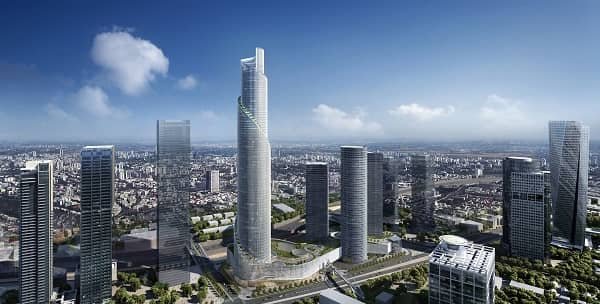
Residential towers in Tel Aviv, including those informally referred to as “Baby Tower,” follow modern architectural trends. They typically feature glass façades, open layouts, and balconies with city or sea views.
For example, high-rise developments in Tel Aviv often include luxury amenities such as swimming pools, gyms, and concierge services.
Moreover, many complexes integrate multiple towers, where smaller towers complement larger structures. This design creates a cohesive urban environment.
Therefore, these buildings represent modern residential architecture in Israel.
Lifestyle and Amenities
Residents in such towers enjoy a premium lifestyle supported by modern amenities. These typically include fitness centers, landscaped areas, parking facilities, and security systems.
Additionally, proximity to cafes, restaurants, and shopping centers enhances everyday living. As a result, residents can balance work, leisure, and social activities easily.
Therefore, these towers offer a complete urban lifestyle.
Real Estate Value and Investment Potential
Residential towers in Tel Aviv hold strong value due to high demand and limited land availability. Prime locations such as Park Tzameret and central Tel Aviv attract both local and international buyers.
Moreover, luxury apartments in high-rise buildings often offer strong rental returns and long-term appreciation. As a result, they remain attractive investment options.
Therefore, developments associated with “Baby Tower” concepts maintain strong market relevance.
Future Outlook
The future of residential towers in Tel Aviv remains promising as the city continues to grow vertically. With increasing demand for urban housing, more high-rise developments will emerge.
Moreover, improvements in infrastructure and transportation will further enhance accessibility. Consequently, residential towers will remain central to Tel Aviv’s urban expansion.
Final Thoughts
The Baby Tower Tel Aviv is best understood as a colloquial term rather than a formally recognized building. It typically refers to smaller or companion residential towers within larger developments. Nevertheless, these structures play an important role in shaping Tel Aviv’s modern skyline. With strong connectivity, premium amenities, and strategic locations, such towers represent the future of urban living in the city. Therefore, they remain an integral part of Tel Aviv’s residential landscape.
FAQs
Q: What is the Baby Tower in Tel Aviv?
A: It is not an official building name but a colloquial term for smaller residential towers within larger complexes.
Q: Where is the Baby Tower located?
A: It typically refers to towers located in central Tel Aviv or premium residential districts.
Q: What type of building is it?
A: It is a residential tower offering apartments and modern amenities.
Q: How is connectivity in these areas?
A: Connectivity is excellent, with access to roads, public transport, and the airport.
Q: What amenities are available?
A: Amenities usually include gyms, pools, security, and parking facilities.
Q: Is it a good investment?
A: Yes, residential towers in Tel Aviv offer strong rental demand and property appreciation.
Q: Why is it called Baby Tower?
A: The term is used informally to describe a smaller or secondary tower within a larger development.