Bootstrapping a business means starting and growing it with your own money, business revenue, personal savings, small loans, customer payments, or support from close family and friends instead of raising funds from outside investors. In simple words, the founder builds the business step by step without giving away ownership too early.
For many entrepreneurs, bootstrapping is not just a funding method. It is a mindset. It teaches discipline, careful spending, customer focus, and patience. Instead of spending heavily on office space, branding, hiring, and marketing from day one, a bootstrapped founder usually asks one practical question: “Will this expense really help the business earn?”
This model is common among freelancers, small manufacturers, agencies, local service businesses, online stores, consultants, SaaS startups, coaching businesses, content businesses, and D2C brands. Many successful companies began with limited funds and grew slowly through profits.
But bootstrapping is not easy. It can be stressful, slow, and personally risky. The founder may have to work long hours, delay hiring, manage cash carefully, and sacrifice comfort for years. So before choosing this route, it is important to understand both the advantages and disadvantages clearly.
What Is Bootstrapping in Business?
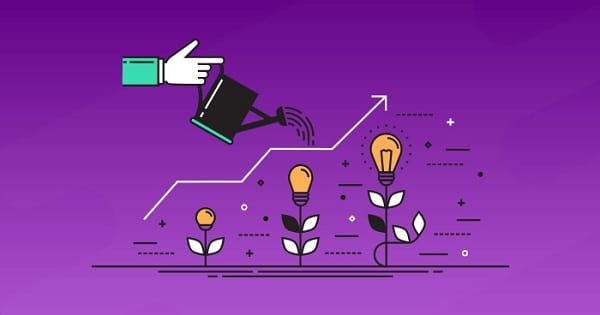
Bootstrapping is a way of building a business without depending mainly on external investors. The founder uses available resources and reinvests business earnings to grow.
For example, a person may start a digital marketing agency from home, earn from the first few clients, use that money to hire one employee, then slowly expand. A small product seller may begin with limited stock, sell it, reinvest the profit, and increase inventory gradually.
The basic idea is simple: grow from real income, not from investor money.
Advantages of Bootstrapping a Business
1. Full Ownership Remains With the Founder
The biggest advantage of bootstrapping is that the founder keeps full ownership. There is no need to give shares to investors in the early stage.
This gives the entrepreneur complete control over the company’s direction, pricing, hiring, product decisions, and long-term vision. If the business becomes successful, the founder enjoys a larger share of the rewards.
For people who do not want outside interference, this is a major benefit.
2. Better Control Over Decision-Making
When outside investors enter a business, their expectations also come with the money. They may want fast growth, regular updates, aggressive expansion, or quicker returns.
In a bootstrapped business, the founder can move at a practical pace. Decisions can be based on customers, cash flow, and long-term stability instead of investor pressure.
This freedom is useful, especially when the founder wants to build a steady business rather than chase rapid expansion.
3. Strong Financial Discipline
Bootstrapping teaches careful money management. Since funds are limited, the founder learns to control expenses, avoid waste, negotiate better, and spend only where needed.
This discipline can become a long-term strength. A bootstrapped founder usually understands cash flow better because every rupee matters.
Instead of asking, “How much can we spend?” the founder asks, “What result will this spending bring?”
4. Customer-Focused Growth
A bootstrapped business survives only when customers pay. This naturally forces the founder to focus on real market demand.
The business cannot depend on investor money for long survival. It must create value, solve a real problem, and earn revenue early.
This is a good thing. It keeps the business grounded. The founder quickly learns what customers want, what they reject, and what they are willing to pay for.
5. Lower Risk of Overexpansion
Funded startups sometimes grow too fast. They hire quickly, spend heavily on ads, open new locations, and scale before the business model is stable.
Bootstrapped businesses usually grow more carefully. Since money is limited, expansion happens only when revenue supports it.
This reduces the risk of sudden collapse due to uncontrolled spending.
6. Stronger Founder Confidence
When a founder builds a business without outside funding, every small win feels meaningful. Getting the first customer, first repeat order, first profitable month, or first employee becomes a real achievement.
This builds confidence. The founder knows the business is not surviving only because of outside money. It is surviving because customers are paying.
That confidence is powerful.
7. Better Negotiating Position Later
Bootstrapping does not mean a founder can never raise funds. It simply means the founder does not depend on funding from day one.
If the business becomes profitable and shows real customer demand, the founder may later raise money from a stronger position. Investors usually respect businesses that have revenue, discipline, and proof of demand.
At that stage, the founder may give away less ownership for better value.
Disadvantages of Bootstrapping a Business
1. Limited Capital
The biggest disadvantage of bootstrapping is limited money. The founder may not have enough funds for hiring, marketing, technology, inventory, office space, or expansion.
This can slow growth. Even if the idea is good, the business may not grow fast because resources are limited.
In competitive markets, this can become a serious problem.
2. Slow Business Growth
Bootstrapped businesses usually grow step by step. This is safe, but it can also be slow.
A funded competitor may spend heavily on advertising, hire a big team, offer discounts, and capture market share quickly. A bootstrapped founder may struggle to match that speed.
If the industry rewards fast scaling, bootstrapping may become difficult.
3. Personal Financial Pressure
Many founders use their own savings to bootstrap. This creates personal pressure. If the business takes time to earn, the founder may face stress over household expenses, loans, family responsibilities, and emergency needs.
This pressure can affect decision-making also. The founder may become too cautious or too desperate.
Bootstrapping should be done with a clear personal financial plan.
4. Founder Burnout
In the early stage, bootstrapped founders often do everything themselves. They handle sales, marketing, accounts, customer service, delivery, product development, hiring, and operations.
This saves money, but it can become exhausting. Long working hours and constant pressure may lead to burnout.
A founder cannot build a strong business alone forever. At some point, delegation becomes necessary.
5. Less Room for Experimentation
When money is limited, experimentation becomes harder. The founder may avoid testing new products, new markets, or new marketing campaigns because failure can be costly.
This can reduce innovation. Sometimes a business needs bold experiments to grow, but bootstrapped founders may not have enough financial cushion.
6. Difficulty in Hiring Good Talent
Good employees usually expect stable salary, growth opportunities, and professional systems. A bootstrapped business may not be able to offer high salaries in the beginning.
This makes hiring difficult. The founder may depend on freelancers, interns, family members, or a small team.
While this can work early, it may limit quality and speed.
7. Risk of Missing Market Opportunity
Some business opportunities are time-sensitive. If the market is growing fast and competitors are moving quickly, slow growth can be costly.
For example, in technology, D2C, fintech, food delivery, or online education, speed can matter. If a bootstrapped business cannot invest at the right time, bigger players may capture the opportunity first.
When Is Bootstrapping a Good Choice?
Bootstrapping is a good choice when the business can start small, generate revenue early, and grow through customer payments. It works well for service businesses, agencies, consulting, freelancing, online education, content businesses, small manufacturing, local businesses, and niche e-commerce brands.
It is also good for founders who want control, ownership, and financial discipline.
When Should You Avoid Bootstrapping?
Bootstrapping may not be suitable if the business needs heavy upfront investment, expensive technology, large inventory, licences, manufacturing plants, or fast market capture.
If the business cannot survive without large capital, outside funding, bank loans, or strategic partners may be necessary.
FAQs
Q1. Is bootstrapping better than raising funds?
A: Bootstrapping is better when the founder wants control and the business can grow through revenue. Raising funds is better when the business needs fast growth, large investment, or strong market capture. The right choice depends on the business model.
Q2. Can a bootstrapped business become big?
A: Yes, a bootstrapped business can become big if it has strong demand, good profit margins, repeat customers, and disciplined cash flow. Growth may be slower, but it can be healthier and more stable.
Q3. What is the biggest mistake bootstrapped founders make?
A: The biggest mistake is trying to do everything alone for too long. Saving money is good, but refusing to hire, automate, or outsource important work can slow the business and exhaust the founder.
Q4. How can a bootstrapped business grow faster?
A: A bootstrapped business can grow faster by focusing on profitable customers, reducing unnecessary expenses, improving repeat sales, using low-cost marketing, building partnerships, and reinvesting profits carefully.