The cement block manufacturing business is one of the most promising opportunities in the construction materials industry. Cement blocks are widely used in residential, commercial, industrial, and infrastructure projects because they offer strength, durability, and cost-effective construction. As urbanization and infrastructure development continue to expand globally, the demand for cement blocks remains strong, creating excellent opportunities for entrepreneurs.
In 2026, governments and private developers continue to invest in housing projects, commercial buildings, warehouses, factories, and public infrastructure. Cement blocks have become a preferred building material due to their uniform size, faster construction process, and long service life. Entrepreneurs can establish a manufacturing unit to supply builders, contractors, government projects, and building material dealers. However, like every manufacturing business, cement block production also involves operational challenges, investment requirements, and market competition.
Understanding the advantages and disadvantages of a cement block manufacturing business can help entrepreneurs make informed investment decisions.
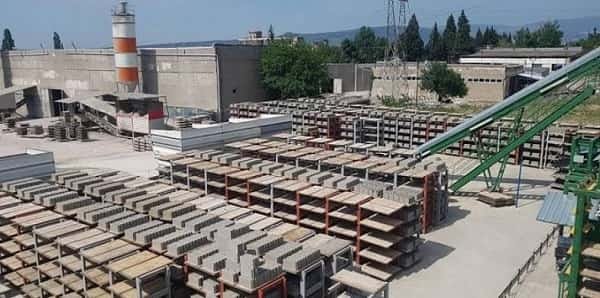
Advantages of a Cement Block Manufacturing Business
1. Growing Demand in the Construction Industry
One of the biggest advantages of this business is the steady demand from the construction sector. Cement blocks are used in various types of projects, ensuring a broad and consistent customer base.
Major customers include:
- Real estate developers
- Construction companies
- Civil contractors
- Government infrastructure projects
- Housing developers
- Industrial builders
- Educational institutions
- Hospitals
- Warehouses
- Building material retailers
The continuous expansion of construction activities supports long-term business growth.
2. High Profit Potential
Cement blocks are essential construction materials that experience regular demand. Manufacturers can achieve attractive profit margins through efficient production, bulk sales, and long-term supply agreements with builders and contractors.
Large commercial and government contracts can significantly increase revenue.
3. Wide Product Range
A cement block manufacturing business can produce different types of products, including:
- Solid cement blocks
- Hollow concrete blocks
- Interlocking blocks
- Paver blocks
- Kerb stones
- Retaining wall blocks
- Decorative concrete blocks
- Partition blocks
- Landscaping blocks
- Customized concrete products
Offering multiple products helps serve different market segments.
4. Scalable Business Model
Entrepreneurs can start with a small manufacturing facility and gradually expand by:
- Increasing production capacity
- Adding automated machinery
- Expanding product lines
- Serving new geographic markets
- Establishing additional manufacturing units
The business can grow according to customer demand.
5. Consistent Product Quality
Modern manufacturing equipment produces blocks with:
- Uniform dimensions
- High compressive strength
- Smooth finish
- Better durability
- Consistent quality
Reliable products improve customer satisfaction and encourage repeat orders.
6. Multiple Sales Channels
Manufacturers can sell products through:
- Construction contractors
- Building material dealers
- Real estate developers
- Government tenders
- Infrastructure companies
- Direct project supplies
Serving multiple customer segments reduces business risk.
7. Long Product Shelf Life
Unlike perishable goods, properly manufactured cement blocks can be stored for extended periods after adequate curing.
This allows businesses to manage inventory more effectively and respond quickly to customer orders.
8. Opportunities for Long-Term Contracts
Construction companies often require continuous supplies of cement blocks throughout project execution.
Long-term supply agreements provide predictable revenue and improve production planning.
Disadvantages of a Cement Block Manufacturing Business
1. High Initial Investment
Starting a cement block manufacturing business requires investment in:
- Land
- Factory building
- Block making machines
- Mixers
- Conveyors
- Pallets
- Curing facilities
- Transportation vehicles
- Raw material storage
- Working capital
Automation increases productivity but also raises startup costs.
2. Raw Material Price Fluctuations
Production depends on materials such as:
- Cement
- Sand
- Stone dust
- Aggregates
- Water
- Chemical additives (if used)
Price fluctuations can affect production costs and profitability.
3. Strong Competition
The industry includes:
- Local block manufacturers
- Concrete product manufacturers
- Fly ash brick producers
- AAC block manufacturers
- Traditional brick suppliers
Businesses must compete through quality, pricing, delivery reliability, and customer service.
4. Transportation Costs
Cement blocks are heavy products that require specialized transportation.
High logistics costs may reduce profit margins when supplying distant locations.
5. Quality Control Requirements
Manufacturers must carefully monitor:
- Raw material quality
- Mixing ratios
- Compression pressure
- Curing time
- Block strength
- Dimensional accuracy
Poor quality products may lead to customer complaints and financial losses.
6. Working Capital Needs
The business requires continuous funding for:
- Raw materials
- Employee wages
- Electricity
- Fuel
- Equipment maintenance
- Transportation
- Inventory management
Effective cash flow management is essential for smooth operations.
7. Machinery Maintenance
Production equipment requires regular:
- Lubrication
- Hydraulic servicing
- Electrical inspections
- Mold replacement
- Calibration
- Spare part replacement
Preventive maintenance helps minimize production downtime.
8. Dependence on Construction Activity
Demand for cement blocks is closely linked to construction projects.
Economic slowdowns, reduced real estate activity, or delays in infrastructure development may temporarily reduce market demand.
Tips for Building a Successful Cement Block Manufacturing Business
Success in this industry depends on quality, efficiency, and strong customer relationships. Consider these practical strategies:
- Purchase high-quality manufacturing equipment.
- Source raw materials from reliable suppliers.
- Maintain strict quality control throughout production.
- Follow proper curing procedures.
- Build relationships with builders and contractors.
- Offer competitive pricing for bulk orders.
- Invest in efficient transportation and logistics.
- Create a professional website showcasing products.
- Use digital marketing to reach construction companies.
- Continuously improve production efficiency and customer service.
Is a Cement Block Manufacturing Business Profitable?
Yes. A cement block manufacturing business can be highly profitable because demand for durable construction materials remains strong. Revenue opportunities include supplying residential projects, commercial buildings, industrial facilities, government infrastructure projects, wholesalers, and construction contractors.
Profitability depends on maintaining consistent product quality, controlling manufacturing costs, optimizing logistics, building long-term customer relationships, and operating efficiently. Businesses that consistently deliver quality products and reliable service often achieve sustainable long-term growth.
Conclusion
The cement block manufacturing business remains one of the most attractive opportunities in the construction materials industry in 2026. Rapid urbanization, infrastructure development, industrial expansion, and growing housing demand continue to create strong market opportunities.
Although entrepreneurs must manage challenges such as high startup investment, raw material price fluctuations, transportation expenses, strong competition, quality control, working capital requirements, machinery maintenance, and dependence on construction activity, the business offers numerous advantages, including growing market demand, high profit potential, a diverse product range, scalability, consistent product quality, multiple sales channels, long product shelf life, and opportunities for long-term supply contracts. Entrepreneurs who focus on operational efficiency, quality manufacturing, and excellent customer service can build a profitable and sustainable cement block manufacturing business.
FAQs
Q: What are the main advantages of a cement block manufacturing business?
A: The major advantages include growing demand from the construction industry, high profit potential, a wide product range, scalability, consistent product quality, multiple sales channels, long product shelf life, and opportunities for long-term supply contracts.
Q: What are the disadvantages of a cement block manufacturing business?
A: Common disadvantages include high startup investment, raw material price fluctuations, strong competition, transportation costs, strict quality control requirements, working capital needs, machinery maintenance, and dependence on construction activity.
Q: Is a cement block manufacturing business profitable in 2026?
A: Yes. Increasing construction activity, infrastructure development, and housing demand make this business profitable when supported by efficient production, quality control, competitive pricing, and reliable distribution.
Q: What products can a cement block manufacturing business produce?
A: A manufacturing unit can produce solid cement blocks, hollow concrete blocks, interlocking blocks, paver blocks, kerb stones, retaining wall blocks, partition blocks, decorative concrete blocks, landscaping blocks, and other precast concrete products depending on the machinery and production setup.
Q: What machinery is required to start a cement block manufacturing business?
A: Typical machinery includes a concrete block making machine, pan mixer, concrete mixer, hydraulic press, conveyor system, molds, pallet trolley, curing equipment, batching system, compressors, weighing equipment, forklifts or material handling tools, generators (if required), and quality testing instruments. The exact machinery depends on the production capacity and automation level.
Q: How can a cement block manufacturing business attract more customers?
A: A cement block manufacturing business can attract customers by producing high-quality blocks, maintaining competitive pricing, ensuring timely delivery, building relationships with contractors and developers, participating in construction exhibitions, creating an SEO-optimized website, using digital marketing, offering bulk purchase discounts, supplying product samples for large projects, and providing dependable customer support.