The 3D printing service business has become one of the most innovative opportunities in the manufacturing and technology sector. Also known as additive manufacturing, 3D printing enables businesses to create prototypes, customized products, industrial components, medical devices, architectural models, and consumer goods with exceptional precision. Instead of investing in expensive 3D printers, many companies and individuals prefer outsourcing their printing needs to specialized service providers.
In 2026, the demand for 3D printing services continues to grow as industries adopt faster product development processes, customized manufacturing, and rapid prototyping. Advances in printing materials, software, and machine capabilities have made 3D printing more accessible for businesses of all sizes. While this business offers excellent growth potential and high-value projects, it also requires technical expertise, quality equipment, and continuous investment in technology.
Understanding the advantages and disadvantages of a 3D printing service business can help entrepreneurs determine whether this technology-driven venture is the right investment.
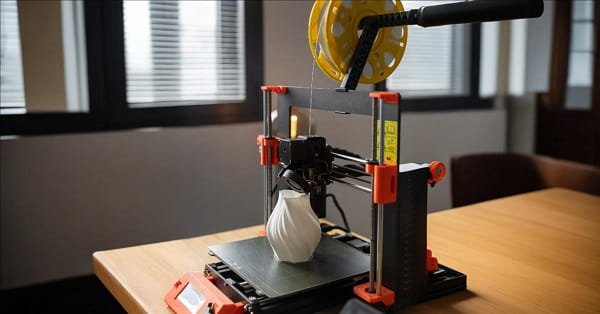
Advantages of a 3D Printing Service Business
1. Growing Demand Across Industries
One of the biggest advantages of a 3D printing service business is its broad customer base. Many industries rely on 3D printing for product development, customization, and small-batch manufacturing.
Major customers include:
- Manufacturing companies
- Engineering firms
- Product designers
- Architects
- Healthcare providers
- Educational institutions
- Automotive companies
- Aerospace businesses
- Jewelry designers
- Individual consumers
This diverse demand creates consistent business opportunities.
2. Multiple Revenue Streams
A 3D printing business can generate income from various services, including:
- Rapid prototyping
- Product design assistance
- Custom part manufacturing
- Architectural models
- Medical models
- Industrial components
- Jewelry prototypes
- Educational models
- Product customization
- Small-batch production
- 3D scanning
- CAD design services
Offering multiple services helps increase profitability.
3. High Customization Capabilities
Unlike traditional manufacturing, 3D printing allows businesses to produce customized products without expensive tooling.
Customers can request personalized designs, unique dimensions, and limited production runs, making the service highly attractive.
4. Faster Product Development
3D printing significantly reduces product development time by enabling businesses to create prototypes quickly.
Design modifications can be implemented rapidly, helping customers reduce development costs and launch products faster.
5. Lower Material Waste
Since 3D printing builds objects layer by layer, it generally uses only the material required for production.
Reduced material waste contributes to cost efficiency and supports sustainable manufacturing practices.
6. Scalable Business Model
Entrepreneurs can start with one or two professional printers and gradually expand by adding:
- Industrial printers
- Metal 3D printers
- Resin printers
- Large-format printers
- Additional design services
- Specialized materials
Business growth can be aligned with customer demand.
7. Opportunities in Emerging Industries
Growing sectors such as healthcare, robotics, electric vehicles, renewable energy, and aerospace increasingly use 3D printing for prototypes and specialized components.
These industries provide long-term growth opportunities for service providers.
8. Strong Innovation Potential
Businesses that invest in advanced materials, faster printing technologies, and design expertise can establish themselves as technology leaders.
Innovation creates a competitive advantage and attracts premium clients.
Disadvantages of a 3D Printing Service Business
1. High Initial Investment
Starting a professional 3D printing business requires investment in:
- Commercial-grade 3D printers
- CAD software
- High-performance computers
- Scanners
- Post-processing equipment
- Ventilation systems
- Quality control tools
- Raw materials
- Workspace setup
- Working capital
Industrial machines can significantly increase startup costs.
2. Technical Skill Requirements
Operating a successful 3D printing business requires expertise in:
- CAD modeling
- Printer calibration
- Material selection
- Machine maintenance
- Design optimization
- Post-processing
- Quality inspection
Continuous learning is necessary as technology evolves.
3. Equipment Maintenance
Professional 3D printers require regular:
- Calibration
- Nozzle replacement
- Software updates
- Cleaning
- Mechanical servicing
- Component replacement
Maintenance is essential for consistent print quality.
4. Rapid Technological Changes
The 3D printing industry evolves quickly with new printers, materials, and software entering the market every year.
Businesses must periodically upgrade equipment to remain competitive.
5. Material Costs
Different projects require specialized materials such as:
- PLA
- ABS
- PETG
- Nylon
- Resin
- Carbon fiber composites
- Metal powders
Premium materials can increase production costs.
6. Strong Market Competition
Competition comes from:
- Local 3D printing studios
- Online printing platforms
- Manufacturing companies
- Engineering firms
- Freelance designers
Businesses must differentiate themselves through quality, speed, expertise, and customer support.
7. Long Production Times
Large or highly detailed models may require several hours or even days to complete.
Businesses must carefully manage production schedules to meet customer deadlines.
8. Intellectual Property Concerns
Customers may provide proprietary product designs for printing.
Businesses must maintain confidentiality and protect customer intellectual property through secure handling and professional agreements where appropriate.
Tips for Building a Successful 3D Printing Service Business
Success in this business depends on technical expertise, quality, and customer satisfaction. Consider these practical strategies:
- Invest in reliable commercial-grade 3D printers.
- Learn advanced CAD design software.
- Offer both design and printing services.
- Maintain strict quality control procedures.
- Use high-quality printing materials.
- Build a professional website showcasing completed projects.
- Target industries with recurring printing needs.
- Stay updated with the latest printing technologies.
- Deliver projects within promised timelines.
- Continuously expand your material and printing capabilities.
Is a 3D Printing Service Business Profitable?
Yes. A 3D printing service business can be highly profitable because businesses increasingly require rapid prototyping, customized manufacturing, and short production runs. Revenue opportunities include prototype development, custom product manufacturing, industrial parts, architectural models, educational projects, healthcare applications, jewelry design, and engineering support services.
Profitability depends on investing in reliable equipment, maintaining high print quality, offering specialized services, controlling material costs, and building long-term relationships with commercial clients. Businesses that combine technical expertise with excellent customer service often achieve sustainable long-term growth.
Conclusion
The 3D printing service business remains one of the most promising technology-driven ventures in 2026. Growing adoption across manufacturing, healthcare, architecture, education, engineering, and consumer products continues to create strong market demand.
Although entrepreneurs must manage challenges such as high startup investment, technical skill requirements, equipment maintenance, material costs, rapid technological changes, competition, production time management, and intellectual property concerns, the business offers numerous advantages, including growing industry demand, multiple revenue streams, high customization capabilities, faster product development, lower material waste, scalability, emerging market opportunities, and innovation potential. Entrepreneurs who focus on quality, technical excellence, continuous learning, and customer satisfaction can build a profitable and sustainable 3D printing service business.
FAQs
Q: What are the main advantages of a 3D printing service business?
A: The major advantages include growing demand across industries, multiple revenue streams, high customization capabilities, faster product development, lower material waste, scalability, opportunities in emerging industries, and strong innovation potential.
Q: What are the disadvantages of a 3D printing service business?
A: Common disadvantages include high startup investment, technical skill requirements, equipment maintenance costs, rapid technological changes, material expenses, strong competition, long production times for complex models, and intellectual property concerns.
Q: Is a 3D printing service business profitable in 2026?
A: Yes. Increasing demand for rapid prototyping, customized manufacturing, and engineering support makes this business profitable when supported by quality equipment, skilled professionals, efficient operations, and excellent customer service.
Q: What services can a 3D printing business provide?
A: A 3D printing service business can offer rapid prototyping, custom product manufacturing, architectural models, industrial components, medical models, educational models, jewelry prototypes, product design support, CAD modeling, 3D scanning, reverse engineering, and small-batch production services.
Q: What equipment is required to start a 3D printing service business?
A: Typical equipment includes FDM and resin 3D printers, industrial 3D printers (depending on services offered), high-performance computers, CAD software, slicing software, 3D scanners, curing stations for resin prints, post-processing tools, sanding and finishing equipment, ventilation systems, measuring instruments, storage racks, and a variety of printing materials such as PLA, ABS, PETG, resin, nylon, and specialty filaments.
Q: How can a 3D printing service business attract more customers?
A: A 3D printing service business can attract customers by showcasing completed projects on a professional website, optimizing content for search engines (SEO), networking with engineering firms and manufacturers, offering fast turnaround times, providing CAD design assistance, using social media to display prototypes, participating in technology exhibitions, delivering consistent print quality, encouraging customer reviews, and continuously expanding printing capabilities and material options.