For many startups, a co-working space is the middle path between working from home and renting a full office. It gives a young business a professional address, ready office setup, internet, meeting rooms, networking opportunities, and a work-friendly environment without the heavy cost of building an office from scratch.
This is why co-working spaces have become popular among freelancers, small teams, startup founders, consultants, tech teams, designers, digital agencies, and remote workers. A startup may begin with just two or three people, but still needs a professional place to meet clients, conduct interviews, hold team discussions, and build daily work discipline.
But co-working is not perfect for every startup. It saves cost and gives flexibility, but it also brings privacy issues, distractions, limited control, shared facilities, and long-term cost concerns. So before choosing a co-working space, a founder should understand both its advantages and disadvantages clearly.
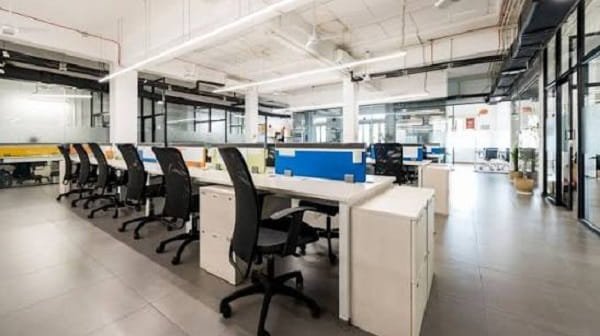
What Is a Co-Working Space?
A co-working space is a shared office where individuals, freelancers, startups, and small companies work from the same premises. The space usually provides desks, chairs, internet, electricity, meeting rooms, pantry, reception, printing facilities, and sometimes event areas.
Instead of renting a full office, a startup can take a seat, cabin, dedicated desk, or small private office based on its need. Payment is usually monthly or based on the plan selected.
Advantages of Using Co-Working Spaces for Startups
1. Lower Initial Cost
The biggest advantage of a co-working space is that it reduces upfront cost. A normal office needs rent deposit, furniture, internet setup, electricity connection, interior work, office equipment, cleaning staff, and maintenance.
A co-working space already has these facilities. The startup can begin working almost immediately. This is useful for founders who want to save money in the early stage and spend more on product, marketing, hiring, or customer acquisition.
2. Flexible Plans
Startups often grow unpredictably. Today the team may have three people. After six months, it may become ten. Sometimes the team may reduce also.
A co-working space offers flexibility. A startup can start with a few seats and later upgrade to more seats or a private cabin. This is easier than signing a long-term office lease.
For early-stage startups, this flexibility is very valuable.
3. Professional Business Environment
Working from home may be comfortable, but it can lack discipline. A co-working space creates a proper work environment. Team members come to a dedicated place, follow working hours, attend meetings, and stay more focused.
It also looks more professional when meeting clients, investors, vendors, or candidates. A proper office location can improve the startup’s image.
4. Networking Opportunities
Co-working spaces bring different professionals under one roof. A startup may meet designers, developers, marketers, lawyers, consultants, investors, accountants, and other founders.
This can create useful business connections. Sometimes a startup may find clients, partners, employees, mentors, or service providers inside the same space.
This networking advantage is one reason many founders prefer co-working over isolated private offices.
5. Access to Meeting Rooms and Facilities
A startup may not need a meeting room every day, but when a client meeting or investor call happens, a proper space matters. Most co-working spaces provide meeting rooms, conference areas, projectors, high-speed internet, reception support, printing, pantry, and common lounges.
This allows a small startup to use office-grade facilities without owning them permanently.
6. Better Focus Than Home Working
For founders working from home, distractions can be high. Family responsibilities, noise, guests, household work, and lack of routine can reduce productivity.
A co-working space separates work from personal life. This helps founders and teams maintain better focus and work discipline.
7. Good for Small and Remote Teams
Many startups now operate with hybrid or remote teams. They may not need a full-time office every day. A co-working space gives them a practical base whenever needed.
The team can meet weekly, conduct planning sessions, work during important project phases, or use the space for client meetings.
Disadvantages of Using Co-Working Spaces for Startups
1. Limited Privacy
Privacy is one of the biggest problems in co-working spaces. Since many people and companies work in the same area, sensitive discussions can become difficult.
A startup dealing with confidential data, product strategy, investor talks, legal matters, or client information may not feel comfortable in open seating.
Private cabins can solve this partly, but they usually cost more.
2. Distractions and Noise
Co-working spaces are lively, but that can also become a disadvantage. People move around, attend calls, talk in common areas, conduct events, or hold discussions.
For deep work, coding, writing, financial planning, or confidential calls, noise can disturb productivity.
A startup should check the work culture of the space before choosing it.
3. Less Control Over Office Culture
In a private office, the startup controls its own environment. In a co-working space, the overall atmosphere is shared.
The startup cannot fully control seating layout, music, visitor rules, pantry behaviour, event disturbance, or common-area usage. This may not suit teams that want a very specific work culture.
4. Long-Term Cost Can Increase
Co-working looks affordable in the beginning, but as the team grows, the monthly cost can become high. Paying per seat for 20 or 30 people may become more expensive than renting a dedicated office.
This is why co-working is excellent for early-stage startups, but not always ideal for larger teams.
5. Shared Facilities May Not Always Be Available
Meeting rooms, phone booths, parking, pantry, and common areas are shared by many users. During busy hours, a meeting room may not be available when needed.
This can create problems during urgent client calls or team meetings.
6. Branding Limitations
A startup may not be able to display its brand identity strongly in a co-working space. Signboards, wall branding, custom interiors, and office design may be limited.
For companies that want a strong branded office experience, this can be a drawback.
7. Dependence on the Space Provider
The startup depends on the co-working operator for internet, electricity backup, cleaning, security, maintenance, and facility management. If the operator gives poor service, the startup suffers.
A bad internet connection, weak air-conditioning, poor management, or overcrowding can hurt daily work.
When Is a Co-Working Space a Good Choice?
A co-working space is a good choice when the startup is small, early-stage, budget-conscious, or working in a hybrid model. It is useful when the team needs a professional setup but is not ready for a full office.
It is also good for founders who want networking, flexibility, and lower setup pressure.
When Should Startups Avoid Co-Working Spaces?
Startups should avoid co-working spaces if they need high privacy, large storage, special equipment, strict data security, heavy branding, or a fully controlled work environment.
A larger team with stable revenue may find a private office more practical in the long run.
FAQs
Q1. Is co-working better than working from home for startups?
A: For many startups, yes. Co-working gives better discipline, professional image, meeting space, and team coordination. But for a solo founder with very limited funds, working from home may be cheaper in the beginning.
Q2. Can a startup use a co-working address for registration?
A: In many cases, yes, but it depends on the co-working provider, rental agreement, and required documents. Some spaces provide address proof, NOC, and utility documents for business registration. Always confirm this before paying.
Q3. Is co-working suitable for funded startups?
A: Yes, funded startups can use co-working spaces, especially in the early growth stage. But if the team becomes large or needs more privacy, shifting to a dedicated office may be better.
Q4. What should a startup check before choosing a co-working space?
A: Check location, internet quality, meeting room access, privacy, parking, monthly cost, lock-in period, office timing, security, address proof facility, and total cost after adding GST and extra charges.