The aquaculture business is one of the fastest-growing sectors in the agriculture and food production industry. Aquaculture, commonly known as fish farming or aquatic farming, involves the breeding, rearing, and harvesting of aquatic organisms such as fish, shrimp, prawns, oysters, mussels, crabs, and seaweed under controlled conditions. As global demand for seafood continues to rise and wild fish stocks face increasing pressure, aquaculture has become a sustainable solution for meeting the world’s protein needs.
In 2026, the aquaculture industry continues to expand due to growing seafood consumption, technological advancements, government support for sustainable farming, and increasing export opportunities. Modern aquaculture farms use advanced feeding systems, water quality monitoring, disease management practices, and automated equipment to improve productivity. While the business offers strong profit potential and long-term growth, it also requires careful planning, technical knowledge, disease management, and environmental compliance.
Understanding the advantages and disadvantages of an aquaculture business can help entrepreneurs determine whether this agricultural venture is the right investment.
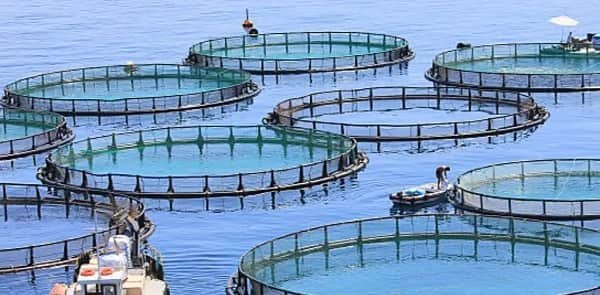
Advantages of an Aquaculture Business
1. Growing Market Demand
One of the biggest advantages of an aquaculture business is the steadily increasing demand for seafood worldwide. Fish and other aquatic products are valued for their high protein content and nutritional benefits.
Major customers include:
- Seafood wholesalers
- Restaurants
- Hotels
- Supermarkets
- Fish processing companies
- Export businesses
- Local fish markets
- Online seafood retailers
- Food distributors
- Institutional buyers
The growing population and changing dietary preferences continue to drive demand.
2. High Profit Potential
Aquaculture can generate attractive profits when farmers maintain healthy stock, efficient feeding practices, and effective farm management.
Premium species such as shrimp, prawns, salmon, trout, and specialty fish often provide higher returns than standard freshwater species.
3. Multiple Farming Opportunities
An aquaculture business can produce various aquatic species, including:
- Freshwater fish
- Marine fish
- Shrimp
- Prawns
- Crabs
- Oysters
- Mussels
- Tilapia
- Catfish
- Carp
- Seaweed
Diversifying production reduces business risk and expands market opportunities.
4. Export Potential
Many countries import high-quality seafood products throughout the year.
Aquaculture businesses that meet international quality and food safety standards can access profitable export markets.
5. Efficient Use of Water Resources
Modern aquaculture systems such as recirculating aquaculture systems (RAS), biofloc technology, and integrated aquaculture improve water efficiency and reduce environmental impact.
These systems also help increase production per unit area.
6. Scalable Business Model
Entrepreneurs can begin with a small fish farm and gradually expand by:
- Increasing pond capacity
- Adding new species
- Installing automated feeding systems
- Expanding hatchery operations
- Developing processing facilities
- Entering export markets
The business can grow steadily with increasing demand.
7. Government Support
Many governments promote aquaculture through:
- Training programs
- Technical assistance
- Infrastructure development
- Sustainable farming initiatives
- Research support
- Market development programs
Such initiatives encourage industry growth and improved farming practices.
8. Recurring Revenue Opportunities
Aquaculture businesses can earn income from:
- Live fish sales
- Processed seafood
- Fingerling production
- Hatchery services
- Aquaculture consulting
- Feed supply
- Value-added seafood products
Multiple income streams improve long-term business stability.
Disadvantages of an Aquaculture Business
1. High Initial Investment
Starting an aquaculture business requires investment in:
- Land or ponds
- Water supply systems
- Aeration equipment
- Pumps
- Hatchery facilities
- Feeding systems
- Water quality monitoring equipment
- Storage facilities
- Transportation
- Working capital
Advanced farming systems require even greater investment.
2. Disease Risks
Fish and shellfish are vulnerable to bacterial, viral, fungal, and parasitic diseases.
Disease outbreaks can spread rapidly and result in significant financial losses if biosecurity measures are inadequate.
3. Water Quality Management
Successful aquaculture depends on maintaining proper:
- Oxygen levels
- Water temperature
- pH balance
- Ammonia levels
- Salinity (for marine species)
- Clean water supply
Poor water quality can reduce growth and increase mortality.
4. Feed Costs
Feed is one of the largest operating expenses in aquaculture.
Fluctuations in feed prices can significantly affect production costs and profitability.
5. Environmental Challenges
Aquaculture operations may face risks from:
- Flooding
- Drought
- Water pollution
- Extreme weather
- Climate change
- Predator attacks
Environmental factors can directly affect production.
6. Technical Knowledge Requirements
Farm operators need expertise in:
- Fish nutrition
- Breeding
- Water quality management
- Disease prevention
- Harvest planning
- Farm management
Continuous learning is essential for maintaining productivity.
7. Regulatory Compliance
Aquaculture businesses must comply with regulations covering:
- Environmental protection
- Water usage
- Food safety
- Animal health
- Waste management
- Licensing requirements
Compliance requires ongoing monitoring and proper documentation.
8. Market Price Fluctuations
Seafood prices may vary due to:
- Seasonal production
- Import and export trends
- Consumer demand
- Transportation costs
- Weather conditions
Price fluctuations can influence annual profitability.
Tips for Building a Successful Aquaculture Business
Success in aquaculture depends on efficient farm management and high production standards. Consider these practical strategies:
- Choose species with strong local or export demand.
- Source healthy fingerlings or seed stock from reliable hatcheries.
- Monitor water quality regularly.
- Use nutritionally balanced feed.
- Implement strict biosecurity measures to reduce disease risks.
- Invest in modern aeration and monitoring systems.
- Build relationships with wholesalers and seafood distributors.
- Develop an online presence to promote your products.
- Follow sustainable farming practices.
- Continuously improve production techniques through training and research.
Is an Aquaculture Business Profitable?
Yes. An aquaculture business can be highly profitable because seafood demand continues to increase worldwide. Revenue opportunities include supplying fresh seafood to wholesalers, supermarkets, restaurants, hotels, exporters, and food processing companies. Additional income can come from hatchery operations, fingerling sales, and value-added seafood products.
Profitability depends on maintaining healthy aquatic stock, controlling feed costs, ensuring high survival rates, managing water quality, complying with regulations, and developing reliable marketing channels. Businesses that combine efficient production with effective farm management often achieve sustainable long-term growth.
Conclusion
The aquaculture business remains one of the most attractive opportunities in the agriculture and food production industry in 2026. Rising global seafood consumption, technological advancements, sustainable farming practices, and expanding export markets continue to create significant growth opportunities.
Although entrepreneurs must manage challenges such as high startup investment, disease risks, water quality management, feed costs, environmental factors, technical expertise requirements, regulatory compliance, and market price fluctuations, the business offers numerous advantages, including growing demand, attractive profit potential, diverse farming opportunities, export potential, efficient resource utilization, scalability, government support, and recurring revenue streams. Entrepreneurs who prioritize sustainable practices, quality production, and effective farm management can build a profitable and sustainable aquaculture business.
FAQs
Q: What are the main advantages of an aquaculture business?
A: The major advantages include growing market demand, high profit potential, multiple farming opportunities, export potential, efficient use of water resources, scalability, government support, and recurring revenue opportunities.
Q: What are the disadvantages of an aquaculture business?
A: Common disadvantages include high startup investment, disease risks, water quality management challenges, high feed costs, environmental risks, technical knowledge requirements, regulatory compliance, and seafood price fluctuations.
Q: Is an aquaculture business profitable in 2026?
A: Yes. Increasing global demand for seafood, improved farming technologies, and expanding domestic and export markets make aquaculture profitable when supported by efficient farm management, healthy stock, and effective marketing.
Q: What species can be farmed in an aquaculture business?
A: An aquaculture business can farm freshwater fish, marine fish, shrimp, prawns, tilapia, catfish, carp, trout, salmon, oysters, mussels, crabs, seaweed, and other aquatic species depending on climate, water availability, and market demand.
Q: What equipment is required to start an aquaculture business?
A: Typical equipment includes ponds or tanks, aerators, water pumps, filtration systems, water quality testing kits, feeding equipment, nets, grading equipment, harvesting tools, oxygen meters, storage tanks, transportation tanks, cold storage facilities, and backup power systems. The exact equipment depends on the species being farmed and the scale of operations.
Q: How can an aquaculture business attract more customers?
A: An aquaculture business can attract customers by producing high-quality seafood, maintaining food safety standards, offering competitive pricing, building partnerships with wholesalers, restaurants, supermarkets, and exporters, creating an SEO-optimized website, using digital marketing, promoting sustainable farming practices, ensuring consistent supply, and providing reliable customer service.