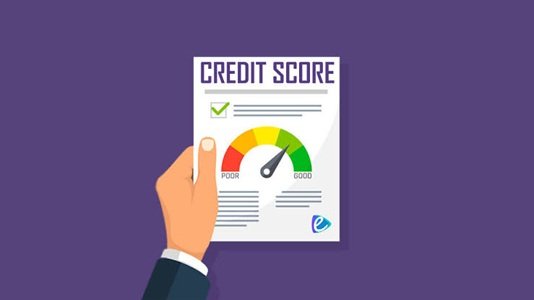
Starting from zero CIBIL score can feel confusing. You may have a good salary, regular savings, no debt, and clean financial habits, but still the bank may say, “Your credit history is not available.” This does not mean you are a risky borrower. It simply means you have not yet used credit in a way that gets reported to credit bureaus. CIBIL score is not built from your savings account, debit card, UPI payments, fixed deposits, or income alone. It is built from your loan and credit card repayment history.
In most practical cases, it takes around 3 to 6 months to start building a visible credit profile from zero. To build a strong CIBIL score, especially around 750 or above, it usually takes 9 to 12 months or more of disciplined credit behaviour.
What Does Zero CIBIL Score Mean?
A zero CIBIL score usually means you are new to credit. You may not have any active loan, credit card, consumer durable EMI, two-wheeler loan, personal loan, or other reported credit product.
Sometimes the report may show terms like NA or NH. This usually means no credit history or not enough credit history is available to calculate a normal score.
CIBIL score is calculated from the credit history available in your Credit Information Report. CIBIL also clarifies that the report contains your credit payment history across loans and credit institutions, but it does not contain details of your savings, investments, or fixed deposits.
Direct Timeline: How Long It Takes
Here is a simple timeline for a person starting from zero:
First 1 month: You take your first credit product, such as a secured credit card or small loan.
2 to 3 months: The lender starts reporting your repayment behaviour to the credit bureau.
3 to 6 months: A basic credit profile may start appearing.
6 to 12 months: Your score can become stronger if you make every payment on time.
12 months and above: Lenders may trust your profile more because your repayment history becomes longer.
CIBIL explains that banks and financial institutions send loan and credit card data to CIBIL, and the report may update within around 15 to 30 days after such reporting. So, even after paying your first bill, your score will not improve instantly the next day.
Why CIBIL Score Cannot Be Built Overnight
A CIBIL score is not created from one transaction. It is built from a pattern. Lenders want to see whether you can borrow and repay responsibly month after month.
One timely payment is good, but six timely payments show discipline. Twelve timely payments show stronger behaviour. That is why a new borrower should not expect a strong score within one month.
Best Ways to Build CIBIL Score From Zero
1. Start With a Secured Credit Card
A secured credit card is one of the easiest ways to build credit history. It is usually issued against a fixed deposit. Since the bank has security, approval becomes easier even for people with no credit history.
Use the card for small regular expenses like mobile recharge, fuel, groceries, or utility bills. Then pay the full bill before the due date.
2. Keep Credit Card Usage Low
Do not use the full card limit. If your limit is ₹30,000, do not spend ₹25,000 every month. High usage can show credit pressure.
A good habit is to keep credit utilisation around 30% or lower. So, if your card limit is ₹30,000, try to keep usage around ₹9,000 or below. CIBIL also mentions credit utilisation as one of the key factors used in score calculation.
3. Pay the Full Bill on Time
This is the most important rule. Never miss the due date. Also, do not make only the minimum payment unless there is a serious emergency.
Minimum payment may save you from late fee, but interest can start building on the unpaid balance. Paying the full bill on time shows clean credit behaviour.
4. Avoid Too Many Applications
Do not apply for 5 credit cards or loans together. Every loan or credit card application may create a hard enquiry. Too many enquiries in a short time can make you look desperate for credit.
Start with one credit product. Use it properly for a few months. Then slowly build your profile.
5. Take a Small EMI Loan Only If Needed
A small consumer durable loan, two-wheeler loan, or personal loan can help build credit history if you genuinely need it. But do not take unnecessary loans only to create a score.
Credit building should be disciplined. Taking a loan without need can create EMI pressure.
6. Keep Your First Credit Account Active
Do not close your first credit card too quickly, especially if it has no heavy annual fee. The age of your credit account matters over time. A long-running account with clean repayment history can support your credit profile.
Can You Reach 750 CIBIL Score From Zero?
Yes, but it takes patience. A 750+ score is not built only by opening a credit card. You need regular usage, low credit utilisation, no late payments, and enough time.
A disciplined borrower may start seeing a decent score within a few months, but a strong and trusted score usually needs 9 to 12 months or more. The exact time depends on lender reporting, credit product type, payment behaviour, credit limit, and whether your personal details are correctly updated.
Does Salary Help in Building CIBIL Score?
Salary helps in loan approval, but it does not directly build CIBIL score. A person earning ₹1 lakh per month may still have no CIBIL score if they have never taken any credit product. On the other hand, a person earning less but using a credit card responsibly may build a good score.
CIBIL score is about credit behaviour, not income alone.
Common Mistakes That Delay Score Building
Many beginners make simple mistakes. They spend too much on their credit card, pay after the due date, apply for too many loans, close their first card early, or ignore their credit report.
Another mistake is thinking that UPI, debit card, rent payment, electricity bill, or mobile recharge will automatically build CIBIL score. Normally, they do not. Credit score grows mainly through reported credit products like loans and credit cards.
Can You Get a Loan With No CIBIL Score?
Yes, it is possible, but it may be harder. Lenders may check your income, job stability, bank statement, employer profile, and repayment capacity more carefully.
A first-time borrower may find it easier to get:
Secured credit card against FD
Gold loan
Loan against FD
Small consumer durable loan
Loan with co-applicant
Bank loan from existing salary account relationship
Do not go to risky loan apps just because you have no CIBIL score. Start safely with a bank or reputed lender.
Practical 6-Month Plan to Build CIBIL From Zero
- Month 1: Open a secured credit card or small credit product.
- Month 2: Use the card for small expenses and pay the full bill.
- Month 3: Keep utilisation low and avoid new applications.
- Month 4: Check whether your credit report has started showing the account.
- Month 5: Continue timely payments and maintain low usage.
- Month 6: Review your score and report. If everything is clean, continue the same habit for another 6 months.
FAQs
Q1. How many months does it take to generate a CIBIL score?
Practically, it may take around 3 to 6 months after you start using a reported credit product. However, the exact time depends on lender reporting and whether enough credit history is available.
Q2. Can I build CIBIL score without a credit card?
Yes. You can build it through a small loan, two-wheeler loan, consumer durable loan, gold loan, or loan against FD if the lender reports it to credit bureaus. But a secured credit card is often easier for beginners.
Q3. Does a debit card improve CIBIL score?
No. Debit card usage does not build CIBIL score because you are using your own money, not borrowed money.
Q4. What is the fastest safe way to build CIBIL from zero?
The safest fast method is to take a secured credit card against FD, use a small portion of the limit, pay the full bill before the due date, and avoid multiple loan applications.
Q5. Can one missed payment damage a new CIBIL score?
Yes. When your credit history is new, even one missed payment can hurt more because there is not enough old positive history to balance it. Always pay before the due date.