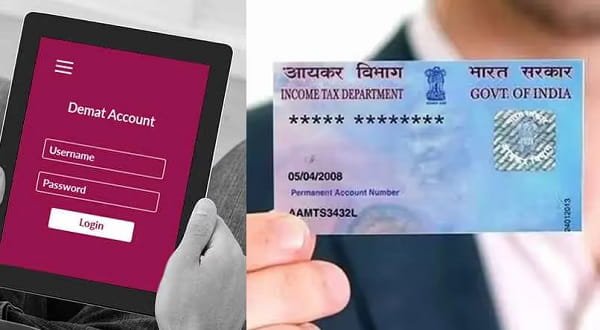
A Demat account is essential for investing in stocks, bonds, ETFs, mutual funds, and other securities in electronic form. Over time, many investors open multiple Demat accounts with different brokers to access better trading platforms, lower brokerage charges, or specialized investment services. As a result, some investors may lose track of how many Demat accounts are linked to their Permanent Account Number (PAN).
Knowing the number of active Demat accounts associated with your PAN card is important for maintaining financial records, avoiding unnecessary account maintenance charges, and ensuring the security of your investments. Fortunately, investors can verify this information through various online methods.
In this article, we explain why it is important to track your Demat accounts and provide a step-by-step guide to checking the number of active Demat accounts linked to your PAN card.
Why Is Your PAN Linked to a Demat Account?
In India, a PAN card is a mandatory document for opening a Demat account. Regulatory authorities require PAN verification to ensure transparency, prevent fraudulent activities, and maintain proper investor records.
Every Demat account opened in an investor’s name is linked to their PAN card. This allows depositories and brokers to identify account holders and maintain accurate records of securities ownership.
Why Should You Know How Many Demat Accounts You Have?
Many investors unknowingly maintain multiple inactive accounts. Tracking your accounts can provide several benefits.
1. Avoid Unnecessary Charges
Many brokers charge Annual Maintenance Charges (AMC) even if the account is inactive.
2. Improve Portfolio Management
Knowing all your active accounts helps you monitor investments more effectively.
3. Enhance Security
Identifying unknown or unauthorized accounts linked to your PAN can help prevent fraud.
4. Simplify Tax Reporting
Maintaining a record of all investment accounts makes tax filing easier.
5. Consolidate Investments
Investors may choose to transfer holdings and close unused accounts to simplify portfolio management.
Can You Have Multiple Demat Accounts?
Yes. Investors are allowed to open multiple Demat accounts with different brokers using the same PAN card.
For example, an investor may maintain:
- One account for long-term investing
- Another for active trading
- A third account with a different broker offering specialized services
There is no regulatory restriction on the number of Demat accounts an individual can hold, provided all accounts comply with KYC requirements.
Ways to Check the Number of Active Demat Accounts Linked to Your PAN
There are several methods available to verify your active Demat accounts.
Method 1: Check Through Depository Records
India has two major securities depositories:
- National Securities Depository Limited (NSDL)
- Central Depository Services Limited (CDSL)
Since every Demat account is maintained through one of these depositories, their records can help investors identify linked accounts.
Investors can access account information through depository services and account statements.
Method 2: Review Consolidated Account Statements (CAS)
One of the easiest ways to identify Demat accounts linked to your PAN is by reviewing your Consolidated Account Statement (CAS).
The CAS combines information from:
- Demat accounts
- Mutual fund holdings
- Securities transactions
The statement generally includes details of accounts associated with your PAN and registered email address.
By reviewing the CAS, investors can identify active Demat accounts and the institutions managing them.
Method 3: Check Your Email Records
Most brokers send:
- Account opening confirmations
- Transaction statements
- Holdings reports
- AMC notifications
Searching your email inbox using terms such as:
- Demat account
- DP ID
- Client ID
- Holdings statement
may help you identify previously opened accounts.
Method 4: Contact Existing Brokers
If you suspect you have multiple accounts but cannot locate the details, contact brokers you have used in the past.
Customer support teams can verify whether an account linked to your PAN remains active.
Method 5: Verify Through Depository Participant Statements
Depository Participants (DPs) regularly issue statements showing account details.
Reviewing these statements can help identify:
- Active accounts
- Account numbers
- DP IDs
- Current holdings
Keeping these records organized makes future account tracking easier.
Step-by-Step Process to Review Active Demat Accounts
Step 1: Gather Your PAN Details
Keep your PAN card information readily available.
Step 2: Collect Existing Investment Records
Gather:
- Demat statements
- Broker emails
- Trading account details
- CAS reports
Step 3: Review Your Consolidated Account Statement
Examine the CAS carefully to identify all linked accounts.
Step 4: Match Account Details
Create a list of:
- Broker names
- Demat account numbers
- Account status
- Holdings
Step 5: Identify Inactive Accounts
Determine whether any accounts:
- Have no holdings
- Are not being used
- Continue to incur maintenance charges
Step 6: Decide Whether to Retain or Close Accounts
You may choose to:
- Continue using active accounts
- Consolidate investments
- Close unnecessary accounts
What If You Find an Unknown Demat Account?
If you discover an account that you do not recognize:
Contact the Concerned Broker
Request account verification immediately.
Review Account Activity
Check whether any transactions have occurred.
Update Security Credentials
If necessary, change login credentials and update contact information.
Escalate the Matter
If suspicious activity is detected, report it to the broker and relevant authorities promptly.
Benefits of Maintaining Fewer Demat Accounts
While multiple accounts are allowed, many investors prefer maintaining only the accounts they actively use.
Benefits include:
- Lower maintenance costs
- Simplified portfolio tracking
- Easier tax reporting
- Better account security
- Reduced administrative work
A streamlined investment setup often leads to more efficient portfolio management.
Conclusion
Knowing how many active Demat accounts are linked to your PAN card is an important part of managing your investments effectively. Multiple accounts can offer flexibility, but they can also increase maintenance costs and administrative complexity. By reviewing Consolidated Account Statements, checking broker communications, and monitoring depository records, investors can identify all active accounts linked to their PAN. Regular account reviews help improve security, reduce unnecessary expenses, and ensure better control over your financial assets.
FAQs
Q1. Can I have more than one Demat account linked to the same PAN card?
A: Yes. Investors can legally open multiple Demat accounts with different brokers using the same PAN card.
Q2. Why is PAN mandatory for a Demat account?
A: PAN is required for identity verification, regulatory compliance, and maintaining accurate investor records.
Q3. How can I check all Demat accounts linked to my PAN?
A: You can review your Consolidated Account Statement (CAS), examine broker communications, and verify records through depository services.
Q4. What is a Consolidated Account Statement (CAS)?
A: CAS is a statement that provides a consolidated view of your investments and accounts linked to your PAN.
Q5. Can inactive Demat accounts incur charges?
A: Yes. Many brokers continue charging Annual Maintenance Charges (AMC) even if an account is inactive.
Q6. Should I close unused Demat accounts?
A: If an account is no longer needed and has no holdings, closing it may help reduce maintenance costs and simplify portfolio management.
Q7. What should I do if I find an unknown Demat account linked to my PAN?
A: Contact the concerned broker immediately, review account activity, and take appropriate security measures if necessary.