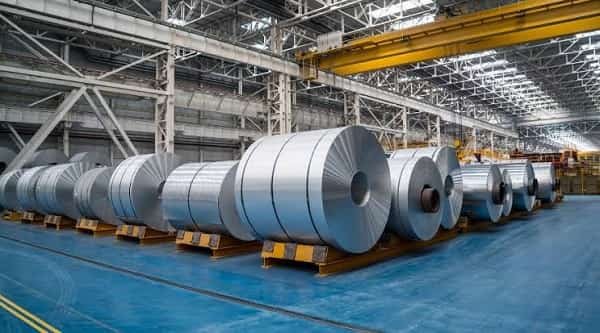
The aluminum fabrication business is one of the fastest-growing sectors in the manufacturing and construction industry. Aluminum is a lightweight, durable, corrosion-resistant, and recyclable metal that is widely used in residential construction, commercial buildings, transportation, aerospace, automotive manufacturing, furniture, and industrial applications. Fabricated aluminum products include doors, windows, partitions, railings, curtain walls, industrial frames, roofing systems, and customized engineering components.
In 2026, the demand for aluminum fabrication continues to increase due to rapid urbanization, modern architectural designs, infrastructure development, and the growing preference for lightweight and sustainable building materials. Many builders and industries choose aluminum because it offers long service life, minimal maintenance, and excellent strength-to-weight performance. While the aluminum fabrication business provides strong profit potential and long-term growth opportunities, it also requires skilled labor, modern machinery, quality control, and efficient project management.
Understanding the advantages and disadvantages of an aluminum fabrication business can help entrepreneurs determine whether this manufacturing and fabrication venture is the right investment.
Advantages of an Aluminum Fabrication Business
1. Strong Demand Across Multiple Industries
One of the biggest advantages of an aluminum fabrication business is its broad customer base. Aluminum products are used in construction, industrial manufacturing, transportation, and commercial projects.
Major customers include:
- Construction companies
- Real estate developers
- Architects
- Interior designers
- Industrial manufacturers
- Infrastructure contractors
- Furniture manufacturers
- Retail businesses
- Government projects
- Residential homeowners
The expanding construction and manufacturing sectors ensure steady market demand.
2. High Profit Potential
Customized aluminum fabrication projects often generate attractive profit margins because they require specialized skills, precision manufacturing, and installation services.
Large commercial projects such as office buildings, shopping malls, airports, and hotels can significantly increase business revenue.
3. Wide Range of Products
An aluminum fabrication business can manufacture various products, including:
- Aluminum doors
- Sliding windows
- Office partitions
- Curtain wall systems
- Railings
- Staircases
- Kitchen cabinets
- Aluminum frames
- Shopfronts
- Industrial enclosures
- Roofing structures
- Customized fabrication components
Offering multiple products helps serve different customer needs.
4. Durable and Low-Maintenance Products
Aluminum products offer several long-term benefits:
- Corrosion resistance
- Lightweight construction
- High durability
- Weather resistance
- Minimal maintenance
- Long service life
These features make aluminum a preferred material for modern construction projects.
5. Environmentally Friendly Material
Aluminum is one of the most recyclable metals in the world.
Recycling aluminum requires significantly less energy than producing new aluminum, making fabricated aluminum products an environmentally responsible choice.
6. Scalable Business Model
Entrepreneurs can start with a small workshop and gradually expand by:
- Purchasing advanced fabrication machinery
- Hiring additional technicians
- Expanding installation teams
- Offering architectural fabrication services
- Serving industrial clients
- Opening multiple fabrication units
The business can grow steadily as customer demand increases.
7. Opportunities for Custom Fabrication
Many clients require customized products designed according to project specifications.
Custom fabrication services allow businesses to charge premium prices while building long-term relationships with architects, contractors, and developers.
8. Recurring Business Opportunities
Commercial buildings, factories, offices, and residential properties often require:
- Renovation work
- Product replacements
- Maintenance services
- Expansion projects
- Repair services
These recurring opportunities help generate consistent revenue.
Disadvantages of an Aluminum Fabrication Business
1. High Initial Investment
Starting an aluminum fabrication business requires investment in:
- Workshop space
- Cutting machines
- CNC equipment
- Welding machines
- Drilling machines
- Bending equipment
- Power tools
- Transportation vehicles
- Raw materials
- Working capital
Automation increases productivity but also raises startup costs.
2. Skilled Labor Requirements
Fabrication work requires expertise in:
- Welding
- Cutting
- Bending
- Measuring
- CAD drawing interpretation
- Installation
- Finishing techniques
Hiring and retaining skilled workers can be challenging.
3. Raw Material Price Fluctuations
The cost of aluminum profiles, sheets, and accessories may fluctuate due to:
- Global metal prices
- Supply chain disruptions
- Import costs
- Market demand
Price volatility can affect profit margins if not managed carefully.
4. Strong Competition
Competition comes from:
- Local fabrication workshops
- Large fabrication companies
- Modular construction suppliers
- Imported aluminum products
Businesses must differentiate themselves through quality, design, pricing, and timely delivery.
5. Machinery Maintenance Costs
Fabrication equipment requires regular:
- Blade replacement
- Lubrication
- Calibration
- Electrical inspections
- Welding equipment servicing
- Preventive maintenance
Routine maintenance improves production efficiency and reduces downtime.
6. Quality Control Challenges
Manufacturers must maintain high standards for:
- Dimensional accuracy
- Structural strength
- Surface finish
- Welding quality
- Proper alignment
- Installation precision
Poor workmanship can result in customer complaints, costly repairs, and damage to the company’s reputation.
7. Project-Based Cash Flow
Many commercial fabrication projects involve milestone-based payments.
Businesses must manage working capital effectively to cover labor, materials, and operational expenses until payments are received.
8. Workplace Safety Requirements
Fabrication workshops involve cutting, welding, grinding, and heavy machinery.
Businesses must implement proper safety measures, including:
- Personal protective equipment (PPE)
- Fire safety systems
- Machine guards
- Employee training
- Regular safety inspections
Compliance with workplace safety standards is essential.
Tips for Building a Successful Aluminum Fabrication Business
Success in this industry depends on craftsmanship, efficiency, and customer satisfaction. Consider these practical strategies:
- Invest in modern fabrication machinery.
- Hire experienced fabricators and installers.
- Source aluminum from reliable suppliers.
- Maintain strict quality control procedures.
- Offer customized fabrication solutions.
- Build relationships with architects and construction companies.
- Create a professional website displaying completed projects.
- Use SEO and digital marketing to generate inquiries.
- Deliver projects on schedule.
- Continuously upgrade technical skills and equipment.
Is an Aluminum Fabrication Business Profitable?
Yes. An aluminum fabrication business can be highly profitable because demand for lightweight, durable, and corrosion-resistant products continues to grow across residential, commercial, industrial, and infrastructure sectors. Revenue opportunities include fabrication, installation, maintenance, renovation projects, customized architectural solutions, and long-term commercial contracts.
Profitability depends on maintaining product quality, controlling material costs, completing projects on time, employing skilled technicians, and developing strong relationships with builders, architects, and contractors. Businesses that consistently deliver precision fabrication and reliable customer service often achieve sustainable long-term growth.
Conclusion
The aluminum fabrication business remains one of the most promising manufacturing and construction-related ventures in 2026. Growing infrastructure development, modern architecture, commercial construction, and increasing demand for sustainable building materials continue to drive market expansion.
Although entrepreneurs must manage challenges such as high startup investment, skilled labor requirements, raw material price fluctuations, strong competition, machinery maintenance, quality control, project-based cash flow, and workplace safety compliance, the business offers numerous advantages, including strong market demand, attractive profit potential, a diverse product portfolio, durable products, environmental benefits, scalability, customization opportunities, and recurring business. Entrepreneurs who prioritize quality workmanship, advanced technology, efficient operations, and excellent customer service can build a profitable and sustainable aluminum fabrication business.
FAQs
Q: What are the main advantages of an aluminum fabrication business?
A: The major advantages include strong market demand, high profit potential, a wide product range, durable and low-maintenance products, environmental sustainability, scalability, customization opportunities, and recurring business from renovation and maintenance projects.
Q: What are the disadvantages of an aluminum fabrication business?
A: Common disadvantages include high startup investment, skilled labor requirements, raw material price fluctuations, strong competition, machinery maintenance costs, quality control challenges, project-based cash flow, and workplace safety requirements.
Q: Is an aluminum fabrication business profitable in 2026?
A: Yes. Growing demand from construction, commercial buildings, industrial projects, and infrastructure development makes this business profitable when supported by skilled workmanship, quality products, efficient project management, and strong customer relationships.
Q: What products can an aluminum fabrication business manufacture?
A: An aluminum fabrication business can manufacture aluminum doors, windows, office partitions, curtain wall systems, railings, staircases, shopfronts, kitchen cabinets, roofing structures, industrial frames, display systems, architectural facades, customized aluminum enclosures, and other fabricated components depending on customer requirements.
Q: What machinery is required to start an aluminum fabrication business?
A: Typical machinery includes aluminum cutting machines, CNC routers, double-head cutting machines, welding machines, drilling machines, milling machines, corner crimping machines, bending machines, polishing equipment, compressors, measuring tools, power tools, glass handling equipment (for window and door fabrication), material handling systems, and safety equipment. The exact machinery depends on the products being fabricated and the scale of operations.
Q: How can an aluminum fabrication business attract more customers?
A: An aluminum fabrication business can attract customers by producing high-quality fabricated products, offering customized solutions, maintaining competitive pricing, building relationships with architects and contractors, creating an SEO-optimized website, showcasing completed projects, using digital marketing, participating in construction exhibitions, ensuring timely project completion, and providing dependable installation and after-sales support.