The dental clinic business is one of the most stable and rewarding ventures in the healthcare sector. As awareness of oral health continues to grow, more people are seeking preventive, cosmetic, and restorative dental treatments. From routine checkups and teeth cleaning to orthodontics, dental implants, and cosmetic dentistry, dental clinics provide essential healthcare services that remain in demand throughout the year.
In 2026, the dental industry is expanding due to increasing healthcare awareness, improved dental technology, higher disposable incomes, and the growing popularity of cosmetic dental procedures. Modern dental clinics also offer digital diagnostics, painless treatment options, and personalized patient care, making dental services more accessible and comfortable than ever before. While the business offers excellent long-term income potential, it also comes with financial, operational, and regulatory challenges.
This guide explores the major advantages and disadvantages of starting a dental clinic business.
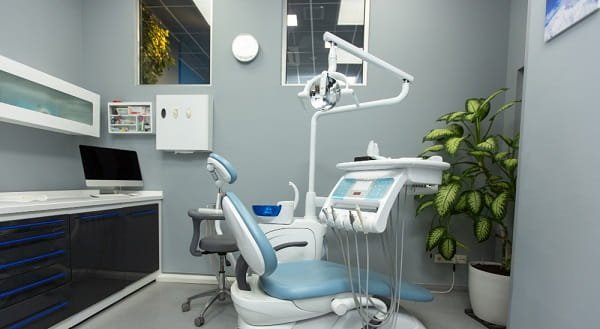
Advantages of a Dental Clinic Business
1. Growing Demand for Dental Care
One of the biggest advantages of a dental clinic business is the consistent demand for oral healthcare services. People require regular dental checkups, preventive treatments, and emergency dental care regardless of economic conditions.
Major customers include:
- Children
- Teenagers
- Adults
- Senior citizens
- Families
- Corporate employees
- Students
- Cosmetic dentistry patients
- Orthodontic patients
- Emergency dental patients
This broad customer base ensures year-round business opportunities.
2. Multiple Revenue Streams
A dental clinic can generate income from a wide variety of services, including:
- Dental consultations
- Teeth cleaning and scaling
- Tooth fillings
- Root canal treatment
- Tooth extractions
- Dental crowns and bridges
- Dental implants
- Braces and orthodontics
- Teeth whitening
- Cosmetic dentistry
- Pediatric dentistry
- Denture services
Offering comprehensive dental care increases revenue potential.
3. High Repeat Patient Potential
Unlike many healthcare businesses, dental clinics benefit from recurring visits. Patients typically return for:
- Routine checkups
- Teeth cleaning
- Follow-up treatments
- Orthodontic adjustments
- Preventive care
- Annual oral examinations
Regular appointments create stable and predictable income.
4. Increasing Awareness of Oral Health
Governments, healthcare organizations, and dentists continue to promote oral hygiene and preventive dental care. As awareness grows, more individuals seek professional dental services before problems become serious.
This trend supports long-term business growth.
5. Opportunities for Cosmetic Dentistry
Demand for cosmetic procedures has increased significantly in recent years. Popular services include:
- Teeth whitening
- Veneers
- Smile makeovers
- Invisible aligners
- Cosmetic bonding
These procedures often provide higher profit margins than routine treatments.
6. Technology-Driven Services
Modern dental clinics use advanced technologies such as:
- Digital X-rays
- Intraoral scanners
- CAD/CAM systems
- Laser dentistry
- Digital patient records
- Online appointment booking
Technology improves treatment accuracy, patient comfort, and clinic efficiency.
7. Strong Referral Potential
Satisfied patients frequently recommend trusted dentists to family members, friends, and colleagues. Positive word-of-mouth referrals help build a loyal patient base and reduce marketing costs.
8. Business Expansion Opportunities
Successful dental clinics can expand by:
- Opening additional branches
- Hiring specialist dentists
- Offering orthodontic services
- Providing cosmetic dentistry
- Partnering with hospitals
- Launching preventive dental programs
Expansion increases revenue and strengthens brand recognition.
Disadvantages of a Dental Clinic Business
1. High Initial Investment
Starting a dental clinic requires significant investment in:
- Clinic interiors
- Dental chairs
- X-ray equipment
- Sterilization systems
- Dental instruments
- Computers
- Practice management software
- Furniture
- Working capital
Advanced technology substantially increases startup costs.
2. Licensing and Regulatory Compliance
Dental clinics must comply with healthcare regulations, professional licensing requirements, infection control standards, biomedical waste disposal rules, and local business registrations.
Failure to comply may result in penalties or operational restrictions.
3. Skilled Staff Requirements
A successful dental clinic requires qualified professionals such as:
- Licensed dentists
- Dental hygienists
- Dental assistants
- Reception staff
- Practice managers
Hiring experienced staff increases operating expenses but is essential for quality patient care.
4. Equipment Maintenance Costs
Dental equipment requires:
- Regular servicing
- Sterilization
- Calibration
- Repairs
- Replacement of consumables
Routine maintenance ensures patient safety and uninterrupted operations.
5. Strong Competition
Dental clinics compete with:
- Independent dental practices
- Multi-specialty dental centers
- Hospital dental departments
- Cosmetic dental clinics
- Chain dental networks
Businesses must differentiate themselves through service quality, technology, patient experience, and reputation.
6. High Operating Expenses
Recurring costs include:
- Staff salaries
- Medical supplies
- Sterilization materials
- Laboratory charges
- Equipment servicing
- Rent
- Utilities
- Insurance
- Marketing
Effective financial management is essential for maintaining profitability.
7. Infection Control Responsibilities
Dental clinics must follow strict infection prevention procedures, including sterilization of instruments, use of personal protective equipment (PPE), and proper disposal of biomedical waste.
Maintaining high hygiene standards is critical for patient safety.
8. Building Patient Trust Takes Time
New clinics often require time to establish credibility and attract a steady flow of patients. Consistent service quality, transparent communication, and positive reviews are essential for long-term success.
Tips for Building a Successful Dental Clinic Business
Success in the dental industry depends on professional expertise and excellent patient care. Consider these practical strategies:
- Choose a convenient and accessible clinic location.
- Invest in modern dental equipment and technology.
- Hire qualified and experienced dental professionals.
- Maintain strict hygiene and sterilization standards.
- Offer preventive and cosmetic dental services.
- Implement online appointment scheduling.
- Build partnerships with nearby healthcare providers.
- Encourage patient reviews and referrals.
- Educate patients about oral health through digital content.
- Continuously upgrade skills through professional training.
Is a Dental Clinic Business Profitable?
Yes. A dental clinic business can be highly profitable because oral healthcare services are essential and recurring. Revenue opportunities include routine consultations, preventive care, restorative treatments, cosmetic dentistry, orthodontics, dental implants, and specialized procedures.
Profitability depends on delivering high-quality care, investing in modern technology, maintaining efficient operations, building patient trust, and expanding service offerings. Clinics that provide excellent patient experiences and maintain a strong reputation often achieve sustainable long-term growth.
Conclusion
The dental clinic business remains one of the most promising healthcare opportunities in 2026. Increasing awareness of oral health, growing demand for cosmetic dentistry, technological advancements, and preventive healthcare initiatives continue to support industry growth.
Although entrepreneurs must manage challenges such as high startup investment, regulatory compliance, equipment costs, skilled staffing requirements, operating expenses, infection control responsibilities, and market competition, the business offers numerous advantages, including consistent demand, recurring patients, multiple revenue streams, cosmetic dentistry opportunities, strong referral potential, and expansion possibilities. Entrepreneurs who prioritize patient satisfaction, clinical excellence, hygiene, and operational efficiency can build a profitable and sustainable dental clinic business.
FAQs
Q: What are the main advantages of a dental clinic business?
A: The major advantages include growing demand for dental care, multiple revenue streams, repeat patients, increasing awareness of oral health, cosmetic dentistry opportunities, technology-driven services, strong referral potential, and business expansion opportunities.
Q: What are the disadvantages of a dental clinic business?
A: Common disadvantages include high startup investment, licensing and regulatory compliance, the need for skilled professionals, equipment maintenance costs, strong competition, high operating expenses, infection control responsibilities, and the time required to build patient trust.
Q: Is a dental clinic business profitable in 2026?
A: Yes. The increasing demand for preventive, restorative, and cosmetic dental treatments makes this business profitable when supported by quality patient care, modern equipment, efficient management, and a strong local reputation.
Q: What services can a dental clinic provide?
A: A dental clinic can offer dental consultations, teeth cleaning, fillings, root canal treatment, tooth extractions, crowns and bridges, dental implants, braces, aligners, teeth whitening, veneers, cosmetic dentistry, pediatric dental care, dentures, and preventive oral health services.
Q: What equipment is required to start a dental clinic?
A: Typical equipment includes dental chairs, dental handpieces, digital X-ray systems, intraoral cameras, ultrasonic scalers, sterilization equipment (autoclaves), suction units, LED curing lights, dental compressors, dental instruments, practice management software, computers, waiting room furniture, and biomedical waste disposal systems. The exact equipment depends on the range of dental services provided.
Q: How can a dental clinic attract more patients?
A: A dental clinic can attract more patients by offering high-quality treatment, maintaining excellent hygiene standards, using modern dental technology, enabling online appointment booking, providing preventive dental packages, encouraging patient reviews, partnering with local healthcare providers, promoting oral health awareness on social media, offering transparent pricing, and delivering exceptional patient care that encourages referrals.