Yes, creators can legally sell co-branded merchandise in India, but only when they have proper permission to use the brand name, logo, artwork, character, slogan, or celebrity identity involved. Without written rights, co-branded merchandise can quickly become trademark infringement, copyright violation, misleading advertising, or consumer-law trouble.
Creator merchandise has become a serious business now. A YouTuber launches T-shirts with a fashion label. A gaming creator sells hoodies with an energy drink brand. A comedy page releases mugs with a local café. A fitness influencer sells gym bottles with a supplement company. For Indian creators, this looks like a smart way to earn beyond ads and sponsorships.
But the legal risk starts when the product carries two identities: the creator’s identity and another brand’s identity. A logo printed on a T-shirt is not just design. A movie dialogue on a hoodie is not always “public content.” A famous face on a poster is not free because it is available online. Before selling co-branded merchandise, creators must know what they can use, what they cannot use, and what must be written clearly in the agreement.
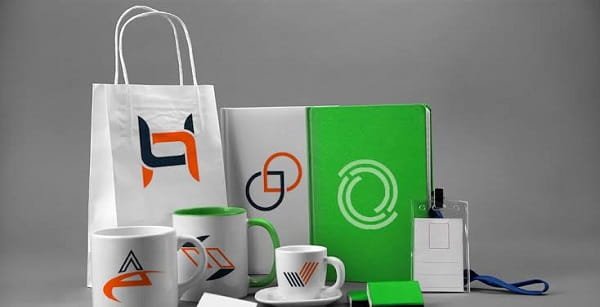
What Makes Co-Branded Merchandise Legal?
Co-branded merchandise is legal when both sides have the right to use their own brand identity and both sides give permission for the final product.
For example, if a creator and a clothing brand jointly launch a hoodie, the creator must permit the brand to use the creator’s name, logo, tagline, or image. The brand must permit the creator to use the brand’s trademark, label, design, or product identity. This permission should be in writing.
Indian trademark law allows a person other than the registered trademark owner to use a mark through proper authorisation. The Trade Marks Act also recognises the concept of registered users for trademarks, which shows that brand use by another person should not be treated casually.
Written Permission Is the Most Important Protection
The biggest mistake creators make is relying on WhatsApp approvals or friendly verbal promises.
A proper co-branding agreement should clearly mention:
- Which logo, name, tagline, artwork, or design can be used.
- Which products can carry the branding.
- Whether the creator can sell on their own website, Instagram shop, marketplace, events, or offline stores.
- Duration of the collaboration.
- Territory, such as India only or worldwide.
- Revenue share or royalty.
- Approval process before printing.
- Who handles returns, complaints, taxes, and delivery.
- What happens to unsold stock after the collaboration ends.
Without these points, both parties may later fight over ownership, money, quality, defective products, or unauthorised sale.
Trademark Issues Creators Must Check
If the merchandise uses a brand name, logo, product name, badge, team name, college name, band name, or business identity, trademark permission is usually needed.
A creator cannot print the logo of a famous brand on T-shirts and call it “inspired merchandise.” That can mislead buyers into thinking the brand has approved the product. Even using a confusingly similar name, colour style, or logo layout can create risk.
For example, selling a hoodie with a slightly changed sports team logo, a luxury brand-style design, or a near-copy food brand label can still be problematic if customers may believe there is a connection with the original brand.
Copyright Issues in Artwork, Characters, Music and Memes
Creators should also check copyright. Many merch designs include illustrations, cartoon characters, anime-style art, film dialogues, song lines, poster designs, digital artwork, photographs, or meme templates. These may be protected by copyright.
If a creator uses artwork made by a designer, the creator should ensure that the design is either assigned or properly licensed. Under Indian copyright law, assignment terms like duration and territory matter; where the period is not stated, the assignment is generally treated as five years, and where territory is not stated, it is generally presumed to extend within India.
This is why creators should not casually download artwork from Pinterest, Google Images, Instagram, or fan pages and print it on merchandise.
Can Creators Sell Fan Merchandise?
This is risky.
Fan merchandise is one of the most common grey areas. A creator may want to sell T-shirts based on a movie, anime, cricket player, football club, celebrity, web series, or game. But if the product uses protected names, logos, characters, images, jersey designs, dialogues, or visual identity, permission may be required.
Saying “fan-made” does not automatically make it legal. If the product is commercial and buyers associate it with the original owner, the risk becomes higher.
Using Celebrity Name, Face or Voice Can Create Extra Risk
If merchandise uses a celebrity’s name, face, nickname, voice, signature style, or famous phrase, the creator should be extra careful. Indian courts have been increasingly protective of personality and publicity rights, especially when someone’s identity is used for commercial gain without permission. In recent cases involving well-known actors, courts have considered unauthorised commercial use of name, image, voice, and personality attributes as a serious issue.
So, printing a celebrity photo or catchphrase on a T-shirt just because it is trending online can be legally unsafe.
Product Quality and Labelling Also Matter
Legal permission to use the brand is not enough. The product itself must also follow Indian sale and labelling rules.
For packaged goods, sellers must take care of declarations like MRP, quantity, manufacturer/packer/importer details, customer care details, and other information required under Legal Metrology rules. These details become especially important when the merchandise is sold online.
If the merchandise falls into special categories, extra compliance may apply. For example, toys meant for children are under compulsory BIS certification in India, and BIS notes that some products require compulsory compliance with Indian Standards for safety and public interest reasons.
So, a creator selling T-shirts faces one level of compliance. A creator selling toys, cosmetics, food items, electrical accessories, or children’s products faces a much higher compliance burden.
Online Sales and Consumer Protection Duties
If co-branded merchandise is sold through a website, marketplace, or social media store, consumer protection rules also matter. Buyers should not be misled about price, quality, return policy, delivery time, brand approval, or product origin.
Under the Consumer Protection framework for e-commerce, sellers and platforms have duties connected with accurate product information and handling defective or misrepresented goods. The Consumer Protection (E-Commerce) Rules, 2020 also restrict sellers from refusing returns or refunds in certain cases such as defective, deficient, spurious, or wrongly represented products.
In simple words, if the product quality is poor, size is wrongly shown, the brand collaboration is fake, or delivery promises are misleading, the creator may face consumer complaints.
Advertising Disclosure for Creators
If the creator is promoting the merchandise as part of a paid brand collaboration, disclosure is important. The audience should know whether it is an ad, paid partnership, sponsored collaboration, affiliate arrangement, or commercial promotion.
ASCI’s influencer guidance recommends clear disclosure labels and also suggests using platform disclosure tools like “paid partnership” or “sponsored” tags where available.
This is especially important when the creator is praising the product while also earning from its sale.
GST and Tax Angle
If the creator is selling merchandise regularly, it is not just a hobby. It can become a business activity.
The creator may need to check GST registration, invoicing, TDS/TCS, royalty income, commission income, and business accounting. GST registration rules depend on turnover, type of supply, state, and whether sales are intra-state or inter-state. For many goods businesses, the commonly discussed threshold is ₹40 lakh in normal category states, but the position can vary depending on the nature of supply and state category.
Creators should not mix personal UPI collections and business sales casually once merchandise becomes regular.
When Co-Branded Merchandise Can Become Illegal
- Co-branded merchandise can become legally risky or illegal in these situations:
- The creator uses a brand logo without permission.
- The brand uses the creator’s name or photo beyond the agreed campaign.
- The product uses copyrighted artwork without licence.
- The merch creates a false impression of official partnership.
- The product quality is poor and damages the brand’s reputation.
- The creator sells leftover stock after the agreement has ended.
- The seller hides MRP, manufacturer details, return policy, or product information.
- The creator promotes the product without disclosing a paid collaboration.
- The merch uses celebrity identity without consent.
What Should Creators Do Before Launching Co-Branded Merch?
Before launching, the creator should take a simple but serious checklist approach.
First, confirm who owns the creator logo, artwork, photos, tagline, and brand name. If a designer made the logo, check whether the rights were properly transferred.
Second, get written permission from the co-brand. Do not rely only on messages or calls.
Third, approve the final design before production. Both parties should sign off on the mock-up.
Fourth, check product compliance. Apparel, bottles, toys, cosmetics, food products, and electronics do not carry the same legal burden.
Fifth, keep clean invoices, GST records, royalty records, and sales reports.
Sixth, disclose the collaboration honestly while promoting the merch.
FAQs
Q: Can a creator sell merchandise with a brand logo after only getting verbal approval?
A: It is not safe. Verbal approval is hard to prove and may not clearly define product type, duration, quantity, territory, or revenue share. A written agreement is the safest option before printing or selling any co-branded product.
Q: Can a creator use movie dialogues, anime characters, or sports team logos on merchandise?
A: Usually, this is risky without permission. Dialogues, characters, logos, jersey styles, and artwork may be protected by copyright, trademark, or personality rights. “Fan-made” does not automatically make commercial sale legal.
Q: Who is responsible if co-branded merchandise has poor quality?
A: Responsibility depends on the agreement, but both the creator and brand may face reputational damage. If the creator is the seller, customers may directly complain against the creator. The agreement should clearly mention who handles manufacturing defects, refunds, replacements, and customer support.
Q: Can a creator continue selling leftover stock after the collaboration ends?
A: Only if the agreement allows it. Many brand deals give a limited sell-off period after termination. Without such permission, selling leftover stock after the licence ends can become unauthorised brand use.