Buying your first property is a major financial decision. Whether you are purchasing a house for personal use or an apartment as an investment, the right property involves more than finding an attractive location or negotiating a lower price. Buyers need to consider affordability, legal ownership, construction quality, rental demand, financing costs, taxes and the property’s potential resale value.
For new property buyers in India, a structured approach can reduce the risk of unexpected expenses and documentation problems. The following advice can help buyers evaluate a property before committing their money.

1. Define Your Purpose Before Buying
Start by deciding why you are buying the property.
A property purchased for self-use should be evaluated differently from an investment property.
For a home, factors such as:
- Location and commute
- Schools and hospitals
- Neighbourhood
- Safety
- Amenities
- Future family requirements
may be important.
For an investment property, buyers may focus more heavily on:
- Rental demand
- Rental yield
- Capital appreciation potential
- Vacancy risk
- Resale liquidity
- Local infrastructure development
Having a clear objective makes it easier to compare properties objectively.
2. Set a Realistic Budget
Do not base your budget only on the property’s advertised price.
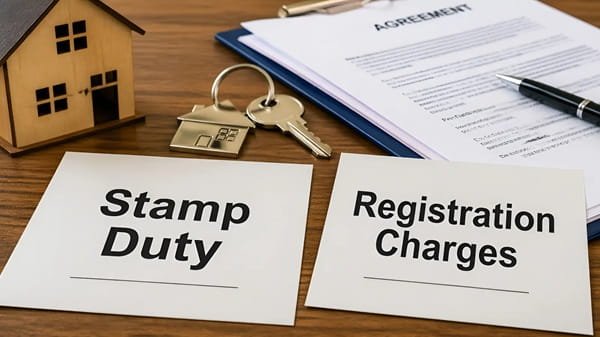
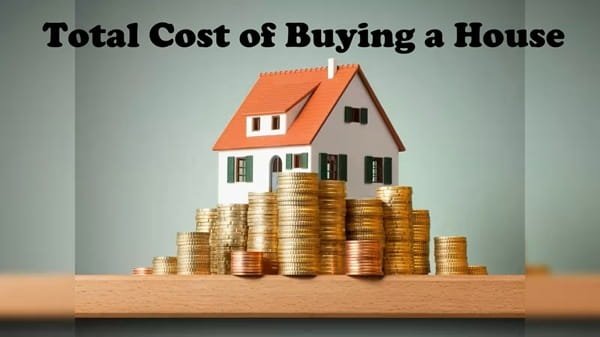
The total acquisition cost can include:
- Property price
- Stamp duty
- Registration charges
- Brokerage
- Legal fees
- Applicable taxes
- Home-loan charges
- Parking or builder charges
- Renovation and furnishing
- Maintenance deposits
For example, a property advertised at ₹60 lakh may require considerably more than ₹60 lakh by the time all transaction and initial setup costs are included.
If you are taking a home loan, also calculate the EMI and ensure that you have enough income remaining for regular household expenses, emergencies and other financial goals.
3. Keep an Emergency Reserve
Using almost all available savings for the down payment can create financial stress after purchasing a property.
Homeowners may face unexpected expenses such as:
- Repairs
- Medical emergencies
- Job interruptions
- Higher loan payments
- Moving expenses
- Maintenance charges
A separate emergency reserve can provide financial flexibility.
The exact amount depends on income stability, existing liabilities and household expenses, but buyers should avoid treating every rupee of savings as money available for the property purchase.
4. Research the Location Carefully
Location is one of the most important factors affecting both residential usefulness and investment potential.
Do not evaluate a location only during a single site visit.
Check the area at different times and, where possible, on both weekdays and weekends.
Research:
- Road and public-transport connectivity
- Traffic conditions
- Schools and hospitals
- Employment centres
- Markets
- Water and electricity supply
- Drainage
- Security
- Noise levels
- Nearby construction
- Future infrastructure projects
For investment properties, investigate actual rental demand rather than relying solely on the seller’s rental estimates.
5. Verify RERA Registration
For applicable real-estate projects, buyers should check the relevant Real Estate Regulatory Authority (RERA) registration and project information.
RERA was introduced to improve transparency and protect the interests of homebuyers. The Ministry of Housing and Urban Affairs explains that registered projects are required to provide information such as sanctioned plans, layout plans, specifications, apartment carpet areas and the proposed completion period. Promoters are also required to maintain 70% of amounts collected from buyers in a separate project bank account, subject to the statutory framework.
Before purchasing a new or under-construction property, check the relevant state’s RERA portal for the project’s registration, promoter details, approvals, completion information and disclosed status.
6. Understand Carpet Area
Buyers should pay close attention to the carpet area rather than comparing properties solely by a headline area figure.
Terms such as super built-up area and saleable area can make two properties with apparently similar sizes difficult to compare.
RERA’s framework specifically addresses carpet-area disclosure and requires relevant project information to be provided to homebuyers.
When comparing properties, calculate the effective price per square foot using the same area definition.
For example:
Effective Price per Sq. Ft. = Total Property Cost ÷ Carpet Area
This provides a more meaningful comparison between similar homes.
7. Conduct Legal Due Diligence
Never assume that a property is legally clear simply because a broker or seller says so.
For a resale property, have a qualified property lawyer examine relevant documents, which may include:
- Title documents
- Previous sale deeds
- Encumbrance records
- Property-tax receipts
- Approved building plans
- Possession documents
- Society or association records
- Required permissions
- Existing loan or mortgage status
The exact documents required depend on the property and jurisdiction.
If the seller has an outstanding loan, confirm how the lender’s charge will be cleared and how the title documents will be released.
8. Inspect the Physical Condition
Legal documentation is only one part of due diligence.
Inspect the actual property for:
- Structural condition
- Dampness
- Cracks
- Plumbing
- Electrical systems
- Ventilation
- Natural light
- Water pressure
- Lift condition
- Fire-safety arrangements
- Parking
- Common areas
For an older property, professional technical inspection can be worthwhile because seemingly minor defects may require expensive repairs.
9. Compare Home-Loan Offers Carefully
Do not select a lender solely because it advertises the lowest interest rate.
Compare:
- Interest rate
- Benchmark and reset mechanism
- Processing fee
- Prepayment conditions
- Legal and technical charges
- Loan tenure
- EMI
- Other applicable fees
RBI’s current regulatory framework requires lenders to provide borrowers with important information concerning floating-rate EMI-based personal loans, including communication around interest-rate resets and available options in applicable circumstances.
Read the lender’s Key Facts Statement and loan agreement carefully before accepting the loan.
10. Calculate the Property’s Investment Potential
If you are buying for investment, calculate more than expected appreciation.
Consider rental yield:
Rental Yield = Annual Rent ÷ Total Property Investment × 100
Also consider:
- Vacancy
- Maintenance
- Property taxes
- Repairs
- Brokerage
- Loan interest
- Selling costs
A property with a lower purchase price is not automatically a better investment if rental demand is weak or resale liquidity is poor.
11. Investigate the Developer’s Track Record
For a new project, research the developer’s previous developments.
Look for:
- Delivery history
- Construction quality
- Customer complaints
- Litigation
- Maintenance standards
- Completed projects
- Financial disclosures
- Reputation with existing residents
Past performance cannot guarantee future results, but it can provide useful information when evaluating a developer.
12. Do Not Rush Because of Sales Pressure
Real-estate sales teams may use phrases such as “last few units,” “price increases tomorrow” or “limited-time offer.”
Such claims should not replace independent due diligence.
Before paying a booking amount, ensure that you understand:
- Refund conditions
- Payment schedule
- Possession timeline
- Cancellation terms
- Maintenance obligations
- Additional charges
- Agreement terms
Never sign a document you have not read or understood.
13. Negotiate the Total Cost, Not Just the Price
A buyer should negotiate the complete financial package.
For example, instead of focusing only on reducing the quoted property price, examine whether there are negotiable components such as:
- Parking
- Floor-rise charges
- Maintenance deposits
- Furnishing
- Other builder charges
- Brokerage
A lower headline price may not necessarily produce a lower final cost if additional charges remain high.
14. Think About Exit Options
Even if you intend to hold the property for many years, consider how easily it could be sold or rented in the future.
Ask:
- Who is likely to buy this property later?
- Is there a strong rental market?
- Are similar properties frequently sold?
- Is the location dependent on one proposed infrastructure project?
- Are there restrictions affecting resale?
Liquidity matters particularly for investors who may need to sell the property unexpectedly.
15. Keep Every Document and Payment Record
Maintain copies of:
- Sale agreement
- Sale deed
- Payment receipts
- Loan documents
- Tax receipts
- Builder correspondence
- RERA information
- Registration documents
- Possession documents
- Society or association records
Digital and physical records can be useful for future resale, taxation, loan closure and dispute resolution.
A Simple Checklist for New Property Buyers
| Area | What to Check |
| Budget | Total purchase and ownership cost |
| Location | Connectivity, services and demand |
| RERA | Registration and project disclosures |
| Legal | Title, approvals and encumbrances |
| Property | Construction and physical condition |
| Loan | EMI, rate and total borrowing cost |
| Developer | Track record and completed projects |
| Investment | Rent, yield and appreciation potential |
| Agreement | Payment, possession and cancellation terms |
| Exit | Resale and rental liquidity |
Conclusion
Real-estate investment can be a significant long-term financial commitment, so new buyers should avoid making decisions based only on price, location advertisements or sales presentations.
A sensible process is to define your purpose, establish a realistic budget, research the location, verify RERA information where applicable, conduct legal and technical due diligence, compare financing options and calculate the property’s complete cost and potential returns.
Most importantly, do not rush into a transaction before reviewing the documents and understanding the agreement. Professional legal, financial or technical advice can be valuable for a high-value property purchase, particularly when the transaction involves an under-construction project, complex title history or substantial borrowing.