The CCTV installation and maintenance business is one of the fastest-growing service sectors in the security and surveillance industry. As concerns about safety, theft prevention, and property monitoring continue to rise, homeowners, businesses, educational institutions, hospitals, factories, and government organizations increasingly rely on Closed-Circuit Television (CCTV) systems for security. The growing adoption of smart surveillance technologies has created significant opportunities for entrepreneurs entering this business.
In 2026, CCTV systems have evolved far beyond traditional analog cameras. Modern surveillance solutions include IP cameras, AI-powered video analytics, cloud storage, remote monitoring, motion detection, facial recognition, and mobile app integration. As more organizations invest in advanced security infrastructure, the demand for professional installation, maintenance, and system upgrades continues to grow. While the business offers recurring income and excellent growth potential, it also requires technical expertise, customer support, and continuous learning to keep pace with evolving technology.
Understanding the advantages and disadvantages of a CCTV installation and maintenance business can help entrepreneurs determine whether this technology-driven service business is the right investment.
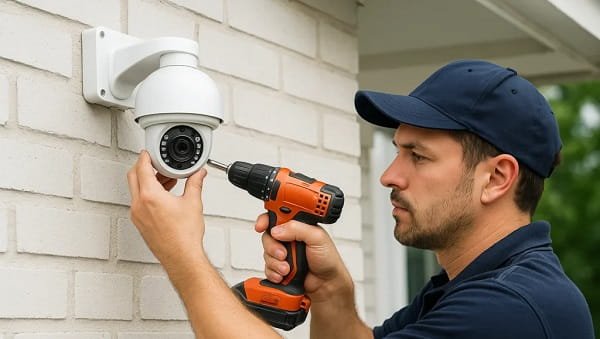
Advantages of a CCTV Installation and Maintenance Business
1. Growing Market Demand
One of the biggest advantages of a CCTV installation business is the steadily increasing demand for surveillance systems across multiple industries.
Major customers include:
- Residential homeowners
- Apartment societies
- Corporate offices
- Retail stores
- Shopping malls
- Schools and universities
- Hospitals
- Hotels
- Warehouses
- Manufacturing facilities
Growing awareness of security ensures long-term business opportunities.
2. Recurring Revenue from Maintenance Services
Unlike one-time installation projects, maintenance contracts provide recurring income.
Maintenance services may include:
- Camera cleaning
- Software updates
- DVR and NVR servicing
- Network troubleshooting
- System health checks
- Equipment replacement
Annual Maintenance Contracts (AMCs) help generate predictable cash flow.
3. High Profit Potential
CCTV businesses can earn revenue from:
- System installation
- Equipment sales
- Maintenance contracts
- System upgrades
- Cloud monitoring services
- Remote surveillance support
- Security consultations
Bundling products and services increases overall profitability.
4. Wide Range of Services
A CCTV installation company can offer:
- Residential CCTV installation
- Commercial surveillance systems
- Industrial security systems
- IP camera installation
- Wireless camera setup
- Video doorbell installation
- Access control systems
- Video intercom systems
- Alarm system integration
- Remote monitoring solutions
A diverse service portfolio helps attract different customer segments.
5. Low Inventory Requirements
Compared to manufacturing businesses, a CCTV service business generally requires relatively low inventory.
Most equipment can be ordered based on customer requirements, reducing storage costs and inventory risks.
6. Scalable Business Model
Entrepreneurs can start as a small local service provider and gradually expand by:
- Hiring installation technicians
- Opening multiple service centers
- Serving commercial projects
- Partnering with builders
- Offering nationwide maintenance services
- Providing integrated security solutions
The business can grow steadily with customer demand.
7. Technology-Driven Growth Opportunities
The security industry continues to introduce advanced technologies such as:
- AI-powered surveillance
- Cloud-based video storage
- Smart home integration
- Mobile monitoring apps
- Facial recognition
- License plate recognition
- Video analytics
Businesses that adopt new technologies can remain highly competitive.
8. Strong Referral and Repeat Business
Satisfied customers frequently recommend reliable CCTV installers to friends, businesses, and family members.
Repeat business also comes from:
- Additional camera installations
- System upgrades
- Office expansions
- Equipment replacement
- Maintenance renewals
Customer referrals significantly reduce marketing costs.
Disadvantages of a CCTV Installation and Maintenance Business
1. Technical Knowledge Requirements
Technicians must understand:
- Networking
- IP camera configuration
- DVR and NVR systems
- Cabling
- Power supply installation
- Remote access configuration
- Mobile application setup
Continuous technical training is essential.
2. Strong Market Competition
Competition comes from:
- Local CCTV installers
- Security companies
- Electronics retailers
- IT service providers
- Smart home solution companies
Businesses must compete through service quality, pricing, technical expertise, and customer support.
3. Rapid Technology Changes
Surveillance technology evolves quickly.
Businesses must regularly update their knowledge about:
- AI surveillance
- Cloud platforms
- Cybersecurity
- Smart analytics
- Wireless technologies
- Software updates
Frequent training increases operating costs.
4. Customer Support Expectations
Clients expect prompt support whenever surveillance systems experience problems.
Businesses must provide timely troubleshooting and emergency service to maintain customer satisfaction.
5. Dependence on Skilled Technicians
Installation quality directly affects system performance.
Hiring and retaining experienced technicians is critical for maintaining a good reputation.
6. Equipment Warranty Management
Businesses often coordinate warranty claims for cameras, recorders, storage devices, and accessories.
Managing supplier warranties can require additional administrative effort.
7. Travel and Field Service Costs
Technicians frequently travel to customer locations for installation, inspections, repairs, and maintenance.
Fuel, transportation, and travel time increase operational expenses.
8. Cash Flow Challenges
Commercial customers may pay invoices after project completion or according to agreed payment terms.
Meanwhile, businesses must purchase equipment, pay employee salaries, and manage operating expenses, making effective cash flow management essential.
Tips for Building a Successful CCTV Installation and Maintenance Business
Success in this industry depends on technical expertise, customer service, and reliability. Consider these practical strategies:
- Hire trained and certified installation technicians.
- Partner with trusted CCTV equipment manufacturers.
- Offer Annual Maintenance Contracts (AMCs).
- Provide fast after-sales support.
- Stay updated with the latest surveillance technologies.
- Build relationships with builders, architects, and security consultants.
- Create a professional website showcasing completed projects.
- Use SEO and digital marketing to generate qualified leads.
- Maintain transparent pricing and detailed quotations.
- Encourage satisfied customers to provide reviews and referrals.
Is a CCTV Installation and Maintenance Business Profitable?
Yes. A CCTV installation and maintenance business can be highly profitable because surveillance systems are increasingly viewed as essential for homes, businesses, industries, and public spaces. Revenue opportunities include equipment sales, installation services, annual maintenance contracts, system upgrades, remote monitoring, and integrated security solutions.
Profitability depends on delivering quality installations, providing reliable customer support, securing recurring maintenance contracts, controlling operating costs, and keeping up with technological advancements. Businesses that build strong customer relationships and maintain a reputation for dependable service often achieve sustainable long-term growth.
Conclusion
The CCTV installation and maintenance business remains one of the most attractive opportunities in the security services industry in 2026. Rising security concerns, increasing adoption of smart surveillance systems, expanding commercial infrastructure, and technological innovation continue to drive market demand.
Although entrepreneurs must manage challenges such as technical knowledge requirements, strong competition, rapid technology changes, customer support expectations, dependence on skilled technicians, warranty management, travel expenses, and cash flow management, the business offers numerous advantages, including growing market demand, recurring maintenance revenue, attractive profit potential, a wide range of services, low inventory requirements, scalability, technology-driven growth, and strong referral opportunities. Entrepreneurs who prioritize technical expertise, customer satisfaction, and continuous learning can build a profitable and sustainable CCTV installation and maintenance business.
FAQs
Q: What are the main advantages of a CCTV installation and maintenance business?
A: The major advantages include growing market demand, recurring income through maintenance contracts, high profit potential, a wide range of service offerings, relatively low inventory requirements, scalability, opportunities created by advancing security technology, and strong referral business.
Q: What are the disadvantages of a CCTV installation and maintenance business?
A: Common disadvantages include technical knowledge requirements, strong market competition, rapidly changing technology, high customer support expectations, dependence on skilled technicians, equipment warranty management, travel and field service costs, and cash flow challenges.
Q: Is a CCTV installation and maintenance business profitable in 2026?
A: Yes. Increasing demand from residential properties, commercial establishments, industries, educational institutions, healthcare facilities, and government organizations makes this business profitable when supported by skilled technicians, quality installations, recurring maintenance contracts, and excellent customer service.
Q: What services can a CCTV installation and maintenance business provide?
A: A CCTV business can provide security camera installation, IP camera configuration, DVR and NVR installation, wireless surveillance systems, video doorbell setup, access control systems, video intercom installation, alarm integration, remote monitoring solutions, system upgrades, troubleshooting, preventive maintenance, and Annual Maintenance Contracts (AMCs).
Q: What tools and equipment are required to start a CCTV installation and maintenance business?
A: Typical equipment includes CCTV cameras, DVRs, NVRs, network switches, hard drives, CAT6 cables, connectors, routers, monitors, power supplies, UPS systems, cable testers, crimping tools, drills, ladders, multimeters, laptops for configuration, hand tools, and service vehicles. The exact equipment depends on the types of surveillance systems offered and the scale of operations.
Q: How can a CCTV installation and maintenance business attract more customers?
A: A CCTV installation and maintenance business can attract customers by offering professional installations, competitive pricing, annual maintenance contracts, fast technical support, partnerships with builders and businesses, an SEO-optimized website, active digital marketing, customer testimonials, referral programs, and reliable after-sales service.