White label product manufacturing is one of the fastest ways to launch a product-based business without building a factory, research team, or production unit from scratch. In this model, a manufacturer produces ready-made or customisable products, and another business sells those products under its own brand name.
This model is common in skincare, cosmetics, supplements, packaged food, clothing, electronics accessories, cleaning products, pet care, personal care, stationery, home décor, and wellness products. For example, a company may not manufacture face wash itself, but it can work with a white label manufacturer, add its own brand name, design its own packaging, and sell the product through online stores, marketplaces, retail shops, or D2C channels.
The biggest attraction of white labelling is speed. A business can enter the market quickly with lower investment compared to setting up its own manufacturing facility. But it also has serious risks. Product similarity, quality control, manufacturer dependence, weak differentiation, and compliance responsibility can affect the brand badly.
So white label manufacturing is not just about putting your logo on a product. It is a strategic business decision that needs careful planning.
What Is White Label Product Manufacturing?
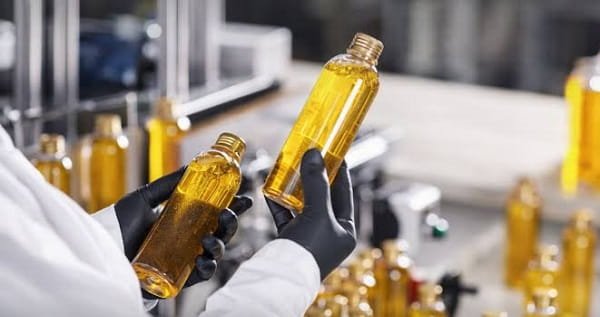
White label product manufacturing means a third-party manufacturer produces goods that other businesses sell under their own brand names. The same manufacturer may supply similar products to many different brands.
The brand owner usually handles branding, packaging design, marketing, sales, pricing, customer service, and distribution. The manufacturer handles production, formulation, raw materials, machinery, and sometimes packaging also.
In simple words, the manufacturer makes the product, but the selling brand owns the customer-facing identity.
Strategic Advantages of White Label Product Manufacturing
1. Faster Market Entry
The biggest advantage of white labelling is speed. Starting a factory, developing a product, arranging machinery, hiring production staff, and testing formulations can take a long time.
With white label manufacturing, a brand can launch faster because the product base is already available. The business can focus on name, packaging, positioning, and marketing.
This is very useful in fast-moving categories like beauty, wellness, food, fashion, and lifestyle products.
2. Lower Investment Requirement
Manufacturing needs heavy capital. A company may need land, factory space, machines, workers, raw materials, safety systems, licences, quality testing, and production management.
White labelling reduces this burden. The brand does not need to own the manufacturing unit. It can start with smaller order quantities depending on the manufacturer’s minimum order requirement.
This makes the model attractive for startups, D2C brands, small traders, influencers, and online sellers.
3. Focus on Branding and Sales
In white label manufacturing, the brand owner does not have to spend most of the time managing production. Instead, the business can focus on customer research, branding, packaging, social media, influencer marketing, marketplace selling, retail distribution, and customer service.
This is a major advantage because many new businesses are better at marketing than manufacturing.
A strong brand can turn a simple product into a trusted customer choice.
4. Access to Manufacturing Expertise
Good manufacturers already understand raw materials, production processes, machinery, packaging compatibility, shelf life, quality testing, and regulatory requirements.
A new brand can benefit from this experience without learning everything from zero.
For example, a skincare manufacturer may already know which formulations are stable, which packaging works better, and what testing is needed. This reduces early-stage mistakes.
5. Easier Product Range Expansion
White labelling makes it easier to add new products. A skincare brand can start with face wash and later add serum, moisturiser, sunscreen, toner, and hair oil. A food brand can begin with one snack and later add more flavours.
Since production is outsourced, the brand can expand categories faster than it could with its own factory.
This helps in building a wider product portfolio and increasing customer lifetime value.
6. Reduced Operational Burden
Running a factory is not easy. It needs labour management, raw material sourcing, machine maintenance, safety checks, wastage control, production planning, and quality supervision.
White labelling removes much of this daily operational pressure from the brand owner. The business can remain lean and flexible.
This is helpful for founders who want to build a brand without getting trapped in manufacturing complexity.
7. Good for Testing Market Demand
White label manufacturing is useful for testing whether customers actually want a product. A brand can launch a limited batch, check sales, collect reviews, and improve positioning before investing heavily.
If the product works, the brand can scale. If it fails, the loss is smaller compared to setting up full production.
This makes white labelling a practical model for product experiments.
Strategic Disadvantages of White Label Product Manufacturing
1. Less Product Uniqueness
The biggest disadvantage is lack of uniqueness. The same manufacturer may be supplying similar products to many brands. Your product may not be very different from competitors.
If only the label and packaging are different, customers may compare mainly on price. This can weaken brand loyalty.
To avoid this, brands should work on better positioning, packaging, customer experience, ingredients, bundles, and storytelling.
2. Dependence on the Manufacturer
The brand depends heavily on the manufacturer for product quality, stock availability, production timelines, raw materials, and delivery.
If the manufacturer delays production, changes quality, increases price, or stops supply, the brand may suffer. Customer complaints will come to the brand, not to the factory.
This dependence is one of the biggest risks in the white label model.
3. Quality Control Challenges
Even though production is outsourced, the brand’s reputation is at stake. If the product is defective, unsafe, expired, poorly packed, or inconsistent, customers will blame the brand.
That is why quality testing, sample approval, batch inspection, certificates, and written standards are important.
A low-cost manufacturer may look attractive in the beginning, but poor quality can destroy the brand permanently.
4. Lower Control Over Production
In own manufacturing, the company controls every detail. In white labelling, control is limited. The brand may not fully control raw material sourcing, production timing, factory conditions, staff training, or process changes.
This can become a problem when the brand wants strict quality, special ingredients, unique design, or premium positioning.
For serious long-term brands, this lack of control can become a limitation.
5. Margin Pressure
White label products may seem profitable, but margins must be calculated carefully. Costs include product purchase, packaging, labelling, shipping, marketplace commission, ads, influencer fees, warehousing, returns, GST, and customer support.
If many brands sell similar products, price competition becomes high. This reduces profit.
A brand must not depend only on cheap sourcing. It must build value.
6. Compliance Responsibility Still Exists
Many beginners think the manufacturer alone is responsible for compliance. That is not always practical. The selling brand also has responsibility toward customers, labelling, product claims, safety, invoices, returns, and consumer protection.
For food, cosmetics, supplements, electrical goods, or children’s products, compliance becomes even more important.
Wrong claims like “100% cure,” “chemical-free,” “doctor-approved,” or “guaranteed results” can create legal and trust problems.
7. Difficult to Build Long-Term Moat
A business moat means a strong advantage that competitors cannot easily copy. In white labelling, the product itself may be easy to copy.
If the brand becomes successful, competitors may approach the same or similar manufacturers and launch similar products.
This is why a white label brand must create a moat through trust, community, distribution, customer service, content, packaging, product curation, and repeat purchase.
8. Minimum Order Quantity Risk
Many manufacturers require a minimum order quantity. If the brand orders too much and the product does not sell, money gets blocked in inventory.
This is risky in trend-based products, seasonal goods, fashion, beauty, and food items with expiry dates.
Before placing a large order, the brand should test demand carefully.
When Is White Label Manufacturing a Good Choice?
White label manufacturing is a good choice when the founder wants to launch quickly, test a market, build a brand, and avoid heavy manufacturing investment. It works well when the business has strong marketing ability, clear target customers, and reliable manufacturing partners.
It is especially useful for D2C brands, marketplace sellers, influencers, small retailers, and niche product businesses.
When Should You Avoid White Label Manufacturing?
You should avoid this model if you want a highly unique product, full control over production, patented technology, secret formulation, or deep manufacturing advantage.
It may also be risky if the manufacturer is unreliable, compliance is unclear, or the product category has very low margins and heavy competition.
FAQs
Q1. Is white label manufacturing the same as private label?
A: They are similar, but not always identical. White label usually means a ready product sold by many brands with different labels. Private label often allows more customisation in formulation, packaging, quality, or product features. In normal business use, both terms are sometimes used together.
Q2. Can a small business start with white label products?
A: Yes, a small business can start with white label products if the minimum order quantity is affordable and the product has clear demand. It is one of the easiest ways to enter product-based business without owning a factory.
Q3. What should I check before choosing a white label manufacturer?
A: Check product quality, samples, certificates, production capacity, minimum order quantity, pricing, delivery time, packaging options, compliance support, previous clients, refund terms, and whether the manufacturer supplies the same product to many competing brands.
Q4. How can a white label brand stand out?
A: A white label brand can stand out through better packaging, clear positioning, honest product claims, strong customer service, niche targeting, good content, influencer trust, product bundles, repeat purchase offers, and consistent quality.